Squamous cell lung cancer (SCC) is a type of non-small cell lung cancer that originates in the squamous cells lining the airways of the lungs. These cells are flat and thin, resembling fish scales, and are found in various parts of the body, including the skin and respiratory tract. When these cells undergo malignant transformation, they can lead to the development of SCC, which is often associated with a history of smoking.
As you delve deeper into this condition, you will discover that it is one of the most common types of lung cancer, accounting for approximately 25% to 30% of all lung cancer cases. Understanding SCC involves recognizing its distinct characteristics and how it differs from other types of lung cancer. For instance, SCC tends to grow more slowly than small cell lung cancer but can still be aggressive in its progression.
It often arises in the central part of the lungs, near the bronchi, and can lead to significant respiratory issues as it develops. The disease can also metastasize, spreading to other parts of the body, which complicates treatment and impacts prognosis. By familiarizing yourself with these aspects, you can better appreciate the challenges faced by those diagnosed with this condition.
Key Takeaways
- Squamous cell lung cancer is a type of non-small cell lung cancer that begins in the squamous cells lining the airways in the lungs.
- Smoking is the leading cause of squamous cell lung cancer, but other risk factors include exposure to secondhand smoke, radon, asbestos, and air pollution.
- Symptoms of squamous cell lung cancer may include coughing, chest pain, shortness of breath, and coughing up blood, and diagnosis is typically confirmed through imaging tests and biopsy.
- Treatment options for squamous cell lung cancer may include surgery, chemotherapy, radiation therapy, targeted therapy, and immunotherapy, depending on the stage and individual factors.
- Prognosis and survival rates for squamous cell lung cancer vary depending on the stage at diagnosis, overall health of the patient, and response to treatment, with early detection and treatment leading to better outcomes.
Causes and Risk Factors for Squamous Cell Lung Cancer
The primary cause of squamous cell lung cancer is tobacco use, which is responsible for a significant percentage of cases. If you are a smoker or have been exposed to secondhand smoke, your risk of developing SCC increases dramatically. The harmful chemicals in tobacco smoke can damage the DNA in your lung cells, leading to mutations that promote cancerous growth.
Even if you have quit smoking, the risk remains elevated for years after cessation, underscoring the long-term impact of tobacco on lung health. In addition to smoking, several other risk factors contribute to the likelihood of developing SCExposure to certain environmental toxins, such as asbestos or radon gas, can increase your risk. Occupational hazards in industries like construction or manufacturing may also play a role.
Furthermore, a history of lung diseases, such as chronic obstructive pulmonary disease (COPD) or pulmonary fibrosis, can predispose you to SCUnderstanding these risk factors is crucial for recognizing your own vulnerability and taking proactive steps toward reducing your risk.
Symptoms and Diagnosis of Squamous Cell Lung Cancer
Recognizing the symptoms of squamous cell lung cancer is essential for early diagnosis and treatment. Common symptoms include a persistent cough that worsens over time, chest pain, and difficulty breathing. You may also experience coughing up blood or rust-colored sputum, which can be alarming and should prompt immediate medical attention.
Other signs may include unexplained weight loss, fatigue, and recurrent respiratory infections. Being aware of these symptoms can empower you to seek medical advice sooner rather than later. Diagnosis typically involves a combination of imaging tests and biopsies.
If you present with symptoms suggestive of SCC, your healthcare provider may recommend a chest X-ray or CT scan to visualize any abnormalities in your lungs. If a suspicious mass is detected, a biopsy will be necessary to confirm the presence of cancerous cells. This process may involve various techniques, such as bronchoscopy or needle aspiration.
Understanding the diagnostic process can help alleviate some anxiety you may feel about undergoing these tests and provide clarity on what to expect.
Treatment Options for Squamous Cell Lung Cancer
When it comes to treating squamous cell lung cancer, several options are available depending on the stage of the disease and your overall health. Surgery is often considered for early-stage SCC when the tumor is localized and has not spread to nearby lymph nodes or other organs. If you are a candidate for surgery, your healthcare team may recommend a lobectomy (removal of a lobe of the lung) or a pneumonectomy (removal of an entire lung).
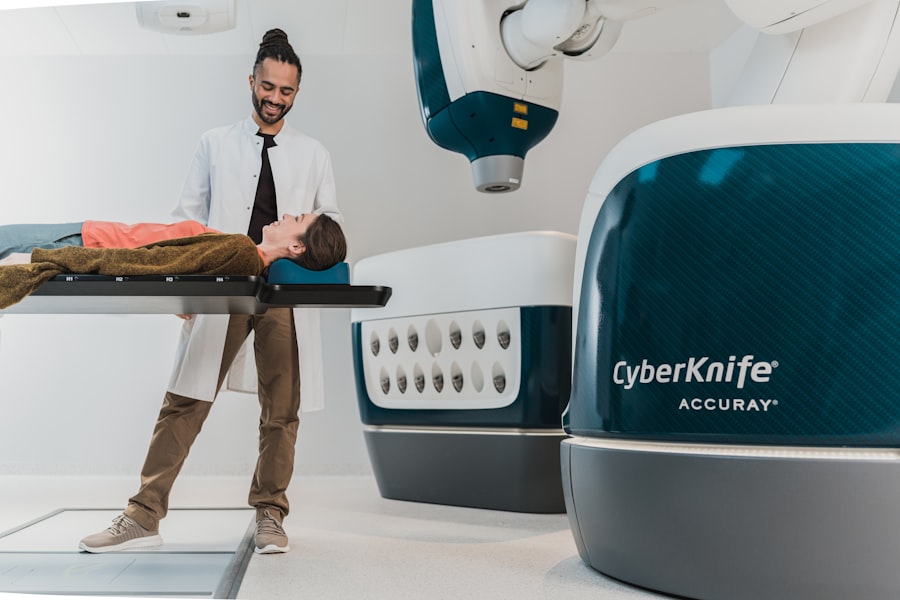
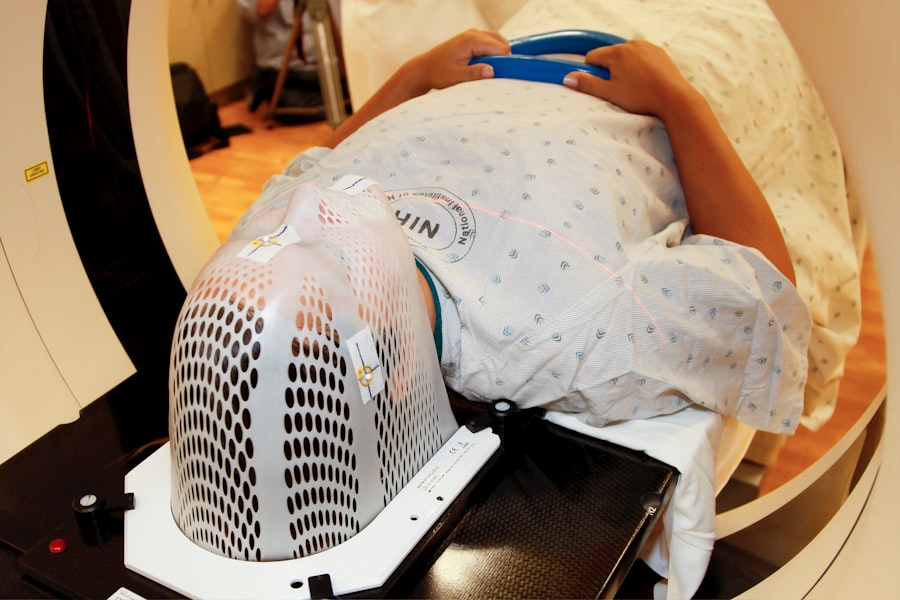
This approach aims to eliminate as much cancerous tissue as possible. For more advanced stages or when surgery is not feasible, other treatment modalities come into play. Chemotherapy and radiation therapy are commonly used either alone or in combination with surgery.
Chemotherapy employs powerful drugs to target and kill rapidly dividing cancer cells throughout the body, while radiation therapy uses high-energy beams to destroy cancerous tissue in specific areas. Targeted therapies and immunotherapy have also emerged as promising options for certain patients, offering more personalized approaches based on the genetic makeup of the tumor. Understanding these treatment options can help you engage in informed discussions with your healthcare team about the best course of action for your situation.
Prognosis and Survival Rates for Squamous Cell Lung Cancer
The prognosis for squamous cell lung cancer varies significantly based on several factors, including the stage at diagnosis, overall health, and response to treatment. Generally speaking, early-stage SCC has a better prognosis than advanced-stage disease. If detected at an early stage when localized treatment is possible, survival rates improve considerably.
However, if the cancer has metastasized to distant organs, the outlook becomes more challenging. Survival rates are often expressed in terms of five-year survival statistics. For localized squamous cell lung cancer, the five-year survival rate can be as high as 60% to 70%.
In contrast, once the cancer has spread regionally or distantly, those rates drop significantly. It’s important to remember that these statistics are averages; individual outcomes can vary widely based on personal circumstances. Engaging with your healthcare provider about your specific case can provide more tailored information regarding your prognosis.
Lifestyle Changes and Support for Squamous Cell Lung Cancer Patients
If you or someone you know is facing a diagnosis of squamous cell lung cancer, making certain lifestyle changes can play a crucial role in managing health and improving quality of life. One of the most significant changes is quitting smoking if you are still using tobacco products. This step not only helps improve lung function but also enhances the effectiveness of treatments and reduces the risk of recurrence.
In addition to quitting smoking, adopting a balanced diet rich in fruits, vegetables, whole grains, and lean proteins can support your overall health during treatment. Regular physical activity tailored to your abilities can also help maintain strength and improve mood. Emotional support is equally important; consider joining support groups where you can connect with others who understand what you’re going through.
Engaging with mental health professionals can also provide coping strategies for dealing with anxiety or depression that may arise during this challenging time.
Prevention and Early Detection of Squamous Cell Lung Cancer
Preventing squamous cell lung cancer largely revolves around reducing risk factors associated with its development. The most effective strategy is to avoid tobacco in all forms—this includes not only smoking but also exposure to secondhand smoke. If you are currently a smoker, seeking resources to help quit can significantly lower your risk over time.
Early detection plays a vital role in improving outcomes for those at high risk for SCIf you have a history of smoking or other risk factors, discussing screening options with your healthcare provider is essential. Low-dose computed tomography (LDCT) scans have been shown to reduce mortality rates among high-risk individuals by detecting lung cancers at earlier stages when they are more treatable. Staying vigilant about your lung health and participating in regular screenings can be life-saving measures.
Research and Advances in the Treatment of Squamous Cell Lung Cancer
The field of oncology is continually evolving, with ongoing research aimed at improving treatment options for squamous cell lung cancer patients. Recent advances have focused on targeted therapies that specifically attack cancer cells based on their genetic characteristics. For instance, drugs that inhibit specific mutations found in SCC have shown promise in clinical trials, offering new hope for patients who may not respond well to traditional chemotherapy.
Immunotherapy has also emerged as a groundbreaking approach in treating SCC by harnessing the body’s immune system to fight cancer more effectively. Checkpoint inhibitors have been particularly noteworthy in this regard; they work by blocking proteins that prevent immune cells from attacking cancer cells. As research continues to unfold, new combinations of therapies are being explored to enhance efficacy and minimize side effects.
Staying informed about these advancements can empower you or your loved ones facing SCC with knowledge about potential future treatment options that may become available. In conclusion, understanding squamous cell lung cancer encompasses various aspects from its definition and causes to treatment options and ongoing research efforts. By being informed about this condition, you can take proactive steps toward prevention and early detection while also supporting those affected by it through lifestyle changes and emotional support systems.
The journey through diagnosis and treatment may be challenging, but knowledge is a powerful tool that can help navigate this complex landscape.
FAQs
What is squamous cell lung cancer?
Squamous cell lung cancer is a type of non-small cell lung cancer that begins in the squamous cells, which are thin, flat cells that line the airways of the lungs.
What are the risk factors for squamous cell lung cancer?
Risk factors for squamous cell lung cancer include smoking, exposure to secondhand smoke, exposure to radon gas, exposure to asbestos and other carcinogens, and a family history of lung cancer.
What are the symptoms of squamous cell lung cancer?
Symptoms of squamous cell lung cancer may include a persistent cough, coughing up blood, chest pain, hoarseness, weight loss, and difficulty breathing.
How is squamous cell lung cancer diagnosed?
Squamous cell lung cancer is diagnosed through a combination of imaging tests such as CT scans and PET scans, as well as biopsy to examine the cells under a microscope.
What are the treatment options for squamous cell lung cancer?
Treatment options for squamous cell lung cancer may include surgery, radiation therapy, chemotherapy, targeted therapy, and immunotherapy, depending on the stage and specific characteristics of the cancer.
What is the prognosis for squamous cell lung cancer?
The prognosis for squamous cell lung cancer varies depending on the stage at which it is diagnosed, the overall health of the patient, and the specific characteristics of the cancer. Early detection and treatment can improve the prognosis.