
End stage mesothelioma represents the final phase of a rare and aggressive cancer primarily caused by asbestos exposure. As you delve into this condition, it’s essential to recognize that mesothelioma affects the mesothelium, a protective lining that covers various organs, most notably the lungs. By the time the disease reaches its end stage, it has typically spread extensively, making treatment options limited and focusing more on comfort than cure.
Understanding this stage is crucial for both patients and their loved ones, as it sets the tone for the care and support needed during this challenging time. In this advanced stage, the body undergoes significant changes. You may experience severe symptoms that can drastically affect your quality of life.
The emotional and psychological toll can be just as profound as the physical symptoms. It’s important to acknowledge that end stage mesothelioma is not just a medical condition; it encompasses a range of experiences that impact you and those around you. Recognizing the complexities of this stage can help you navigate the emotional landscape and prepare for what lies ahead.
Key Takeaways
- End stage mesothelioma is the final stage of this aggressive cancer, where the cancer has spread extensively and the patient’s overall health is significantly compromised.
- Symptoms of end stage mesothelioma include severe pain, difficulty breathing, fluid buildup in the abdomen or chest, and weight loss, and the progression is rapid and debilitating.
- Factors affecting the duration of end stage mesothelioma include the type of mesothelioma, overall health of the patient, and the effectiveness of treatment options.
- Treatment options for end stage mesothelioma focus on palliative care to manage symptoms and improve quality of life, and may include chemotherapy, radiation therapy, and surgery for symptom relief.
- Palliative care plays a crucial role in improving the quality of life for end stage mesothelioma patients, focusing on pain management, emotional support, and enhancing overall well-being.
Symptoms and Progression of End Stage Mesothelioma
Physical Symptoms
Commonly reported issues include severe pain, difficulty breathing, and significant fatigue. These symptoms arise from the tumor’s growth and its effects on surrounding tissues and organs.
The Emotional Toll
You may experience feelings of anxiety, depression, or isolation as you confront the realities of your condition. The progression of mesothelioma can lead to a sense of loss—not just of health but also of independence and normalcy.
Seeking Support
It’s vital to communicate openly with your healthcare team about these symptoms, as they can provide support and resources to help you manage both the physical and emotional aspects of your journey.
Factors Affecting the Duration of End Stage Mesothelioma

The duration of end stage mesothelioma can vary significantly from one individual to another, influenced by several factors. One primary consideration is your overall health prior to diagnosis. If you had pre-existing conditions or a weakened immune system, this could impact how your body responds to the disease.
Additionally, the specific type of mesothelioma you have—whether pleural, peritoneal, or another variant—can also play a role in determining how quickly the disease progresses. Another critical factor is how well you respond to treatment options available at this stage. While curative treatments may no longer be viable, palliative care can significantly affect your quality of life and potentially extend your time.
Your support system—family, friends, and caregivers—also plays a crucial role in your experience during this time. A strong network can provide emotional support and practical assistance, which may positively influence your overall well-being and outlook.
Treatment Options for End Stage Mesothelioma
When mesothelioma reaches its end stage, treatment options shift from curative intent to palliative care aimed at alleviating symptoms and improving quality of life. You may find that your healthcare team recommends a combination of therapies tailored to your specific needs. Pain management is often a primary focus, utilizing medications such as opioids or non-steroidal anti-inflammatory drugs (NSAIDs) to help control discomfort.
In addition to pain relief, other treatments may include radiation therapy to target specific areas of pain or discomfort caused by tumor growth. While chemotherapy may not be as effective in this stage, some patients opt for targeted therapies that can help manage symptoms or slow disease progression. It’s essential to have open discussions with your medical team about the potential benefits and side effects of any treatment options you consider.
Palliative Care and Quality of Life in End Stage Mesothelioma
Palliative care is an integral component of managing end stage mesothelioma, focusing on enhancing your quality of life rather than solely prolonging it. This approach emphasizes holistic care that addresses not only physical symptoms but also emotional, social, and spiritual needs. You may work with a multidisciplinary team that includes doctors, nurses, social workers, and counselors who collaborate to create a comprehensive care plan tailored to your unique situation.
As you navigate this stage, palliative care can provide valuable support in managing pain, nausea, fatigue, and other distressing symptoms. Additionally, it offers emotional support for both you and your loved ones as you face the challenges associated with end stage mesothelioma. Engaging in open conversations about your preferences and goals for care can empower you to make informed decisions that align with your values and desires.
Prognosis and Life Expectancy in End Stage Mesothelioma
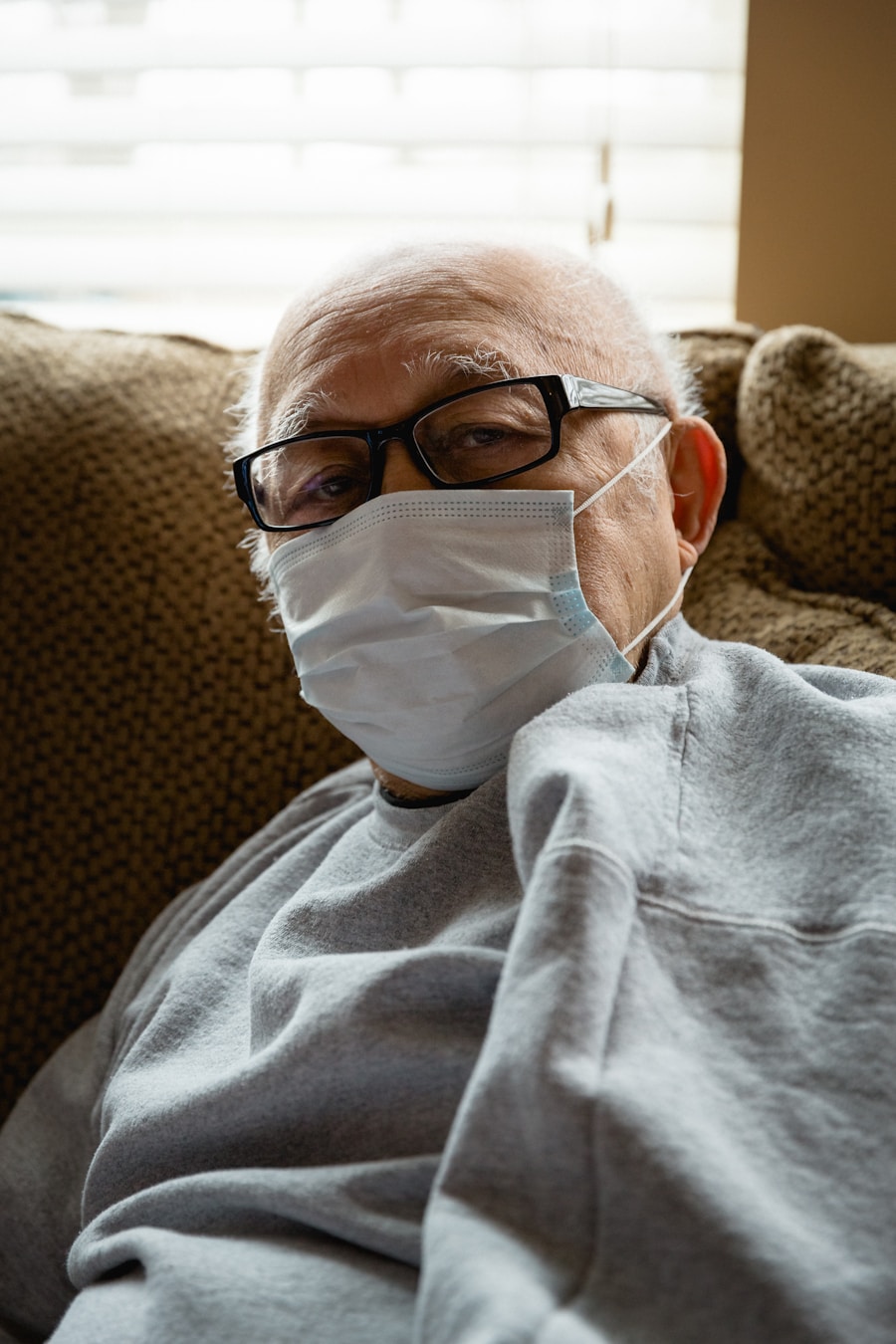
Prognosis in end stage mesothelioma can be difficult to determine due to the variability in individual cases. Generally speaking, once mesothelioma reaches this advanced stage, life expectancy tends to be limited—often measured in months rather than years. However, it’s important to remember that statistics are not definitive; many factors contribute to individual outcomes, including overall health, response to treatment, and personal resilience.
While facing such statistics can be daunting, it’s crucial to focus on what matters most during this time: quality of life and meaningful connections with loved ones. Engaging in activities that bring you joy or fulfillment can help shift your focus away from prognosis and toward living fully in each moment. Surrounding yourself with supportive individuals who understand your journey can also provide comfort as you navigate this challenging phase.
Coping with End Stage Mesothelioma for Patients and Caregivers
Coping with end stage mesothelioma is a multifaceted process that involves both patients and caregivers. As a patient, you may experience a whirlwind of emotions ranging from fear and sadness to moments of acceptance and peace. It’s essential to allow yourself to feel these emotions without judgment; they are a natural part of the journey.
Seeking support through counseling or support groups can provide an outlet for expressing feelings and connecting with others who understand what you’re going through. For caregivers, the experience can be equally challenging as they navigate their own emotions while providing support for their loved ones. It’s vital for caregivers to prioritize self-care during this time; burnout can hinder their ability to offer effective support.
Establishing boundaries, seeking respite care when needed, and engaging in activities that promote well-being can help caregivers maintain their strength as they assist their loved ones through this difficult journey.
Hospice Care and End of Life Planning for End Stage Mesothelioma
As end stage mesothelioma progresses, hospice care becomes an essential consideration for many patients and their families. Hospice focuses on providing compassionate care aimed at ensuring comfort during the final stages of life. This approach allows you to remain in familiar surroundings while receiving specialized support tailored to your needs.
The hospice team typically includes doctors, nurses, social workers, and volunteers who work collaboratively to address physical symptoms as well as emotional and spiritual concerns. End-of-life planning is another critical aspect of navigating this stage. Engaging in conversations about your wishes regarding medical interventions, advanced directives, and funeral arrangements can provide peace of mind for both you and your loved ones.
By discussing these topics openly, you empower yourself to make choices that reflect your values while alleviating some of the burdens on your family during an already challenging time. Embracing hospice care and thoughtful planning can foster a sense of dignity and comfort as you approach the end of your journey with mesothelioma.
FAQs
What is end stage mesothelioma?
End stage mesothelioma refers to the advanced stage of mesothelioma, a type of cancer that affects the lining of the lungs, abdomen, or heart. At this stage, the cancer has spread extensively and may be difficult to treat.
What are the symptoms of end stage mesothelioma?
Symptoms of end stage mesothelioma may include severe pain, difficulty breathing, significant weight loss, fatigue, and fluid buildup in the chest or abdomen. Patients may also experience a decreased ability to perform daily activities.
How long does end stage mesothelioma last?
The prognosis for end stage mesothelioma is generally poor, with a life expectancy of around 12 months or less. However, this can vary depending on the individual’s overall health, the type of mesothelioma, and the effectiveness of treatment.
What treatment options are available for end stage mesothelioma?
Treatment options for end stage mesothelioma may include palliative care to manage symptoms and improve quality of life, chemotherapy, radiation therapy, and in some cases, surgery. Clinical trials and experimental treatments may also be considered.
How can patients and their families cope with end stage mesothelioma?
Patients and their families can seek support from healthcare professionals, palliative care teams, and support groups. It’s important to communicate openly with loved ones, make end-of-life plans, and access resources for emotional and practical support.