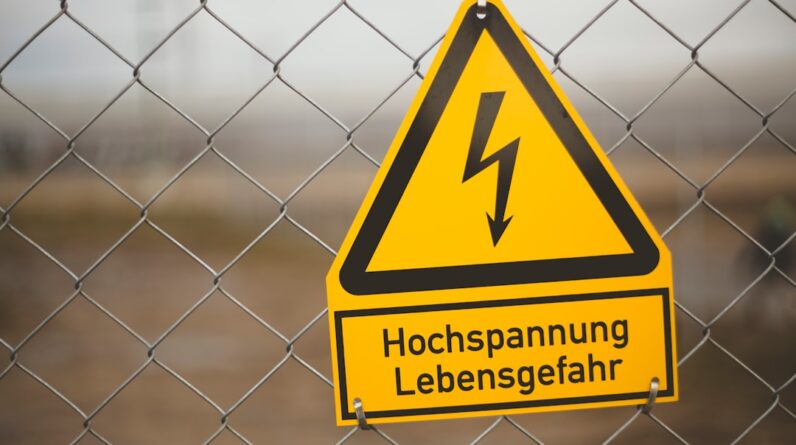
As you delve into the topic of asbestos, it becomes crucial to grasp the inherent dangers associated with this once-popular material. Asbestos is a naturally occurring mineral that was widely used in construction and manufacturing due to its heat resistance and insulating properties. However, what many people do not realize is that asbestos fibers, when disturbed, can become airborne and pose severe health risks.
Inhalation of these fibers can lead to serious diseases, including asbestosis, lung cancer, and mesothelioma, a rare but aggressive form of cancer. Understanding these risks is the first step in protecting yourself and others from the potential hazards of asbestos exposure. Moreover, the latency period for asbestos-related diseases can span decades, meaning that symptoms may not manifest until many years after exposure.
This delayed onset complicates the situation, as individuals may not connect their health issues to past asbestos exposure. It is essential for you to recognize that even minimal exposure can have long-term consequences. By educating yourself about the dangers of asbestos, you empower yourself to make informed decisions regarding your safety and the safety of those around you.
Awareness is key; understanding the risks associated with asbestos can lead to proactive measures that prevent exposure and protect public health.
Key Takeaways
- Asbestos exposure can lead to serious health risks such as lung cancer and mesothelioma, making it important to understand the dangers of asbestos.
- Spreading awareness in the community about the risks of asbestos exposure can help prevent future cases of asbestos-related diseases.
- Educating workers and employers about the proper handling and disposal of asbestos is crucial in minimizing exposure in the workplace.
- Advocating for safe asbestos removal practices can help protect both workers and the surrounding community from the dangers of asbestos.
- Supporting asbestos victims and their families is essential in providing them with the necessary resources and assistance for coping with the effects of asbestos exposure.
Spreading Awareness in the Community
Once you have a solid understanding of the dangers posed by asbestos, the next step is to spread awareness within your community. Engaging your neighbors, friends, and local organizations in conversations about asbestos can help create a ripple effect of knowledge. You might consider organizing community meetings or workshops where experts can share information about the risks associated with asbestos and how to identify potential sources in homes and workplaces.
By fostering an open dialogue, you can help dispel myths and misconceptions surrounding this hazardous material. In addition to face-to-face interactions, you can utilize various platforms to amplify your message. Distributing flyers, creating informative posters, or even starting a community newsletter can be effective ways to reach a broader audience.
Social media platforms also offer an excellent opportunity for you to share information quickly and widely. By posting articles, infographics, or personal stories related to asbestos exposure, you can engage your community in meaningful discussions and encourage them to take action. The more people are informed about the dangers of asbestos, the more likely they are to advocate for safer practices and policies.
Educating Workers and Employers

In workplaces where asbestos may be present, education is paramount. You have the power to advocate for training programs that inform both workers and employers about the risks associated with asbestos exposure. These programs should cover safe handling practices, proper use of personal protective equipment (PPE), and the importance of following regulations regarding asbestos management.
By ensuring that everyone in the workplace is educated about these issues, you contribute to a safer working environment. Furthermore, it is essential for employers to understand their legal responsibilities regarding asbestos management. You can encourage employers to conduct regular inspections and risk assessments to identify potential asbestos hazards in their facilities.
By fostering a culture of safety and awareness within the workplace, you not only protect employees but also enhance overall productivity. When workers feel safe and informed, they are more likely to perform at their best, leading to a healthier work environment for everyone involved.
Advocating for Safe Asbestos Removal
As you become more aware of the dangers of asbestos, advocating for safe removal practices becomes a critical focus. It is vital to emphasize that asbestos removal should only be conducted by licensed professionals who are trained in handling hazardous materials. You can work with local authorities to promote regulations that require proper training and certification for asbestos removal contractors.
This ensures that removal processes are conducted safely and effectively, minimizing the risk of exposure for both workers and residents. Additionally, you can support initiatives that encourage the development of safer alternatives to asbestos-containing materials. By advocating for research into innovative building materials that do not pose health risks, you contribute to a future where communities are no longer at risk from asbestos exposure.
Your voice can help push for policies that prioritize public health over convenience or cost-cutting measures in construction and renovation projects.
Supporting Asbestos Victims and Their Families
The impact of asbestos exposure extends beyond individual health concerns; it affects families and communities as well. You can play a vital role in supporting victims of asbestos-related diseases by raising awareness about their struggles and advocating for their rights. Many individuals diagnosed with conditions like mesothelioma face significant medical expenses and emotional distress.
By organizing fundraising events or awareness campaigns, you can help provide financial assistance to those affected by these diseases. Moreover, connecting victims and their families with support groups can be incredibly beneficial. These groups offer a safe space for individuals to share their experiences, seek advice, and find solace in knowing they are not alone in their battles.
You can facilitate these connections by collaborating with local healthcare providers or non-profit organizations dedicated to supporting asbestos victims. Your efforts can make a meaningful difference in the lives of those who have suffered due to asbestos exposure.
Promoting Asbestos Awareness in Schools and Educational Institutions

Education is a powerful tool in combating the dangers of asbestos exposure, especially when it comes to young people. You can advocate for incorporating asbestos awareness into school curricula, ensuring that students learn about the risks associated with this hazardous material from an early age. By teaching children about the dangers of asbestos, you empower them to recognize potential hazards in their environments and advocate for their own safety.
In addition to formal education, you might consider organizing workshops or seminars for parents and educators on the importance of asbestos awareness. These events can provide valuable information on how to identify asbestos-containing materials in older buildings and what steps should be taken if they are discovered. By fostering a culture of safety within educational institutions, you contribute to creating a generation that is informed and proactive about protecting themselves from potential hazards.
Utilizing Social Media and Online Platforms for Awareness Campaigns
In today’s digital age, social media serves as a powerful tool for spreading awareness about critical issues like asbestos exposure. You can harness platforms such as Facebook, Twitter, Instagram, and TikTok to reach a wider audience with your message. Creating engaging content—such as videos, infographics, or personal stories—can capture attention and encourage sharing among your followers.
The more people who see your posts, the greater the potential impact on raising awareness about the dangers of asbestos. Additionally, online petitions or campaigns can be effective ways to mobilize support for policy changes related to asbestos management and removal. You can create or join existing campaigns that call for stricter regulations on asbestos use or advocate for funding research into safer alternatives.
By leveraging online platforms, you not only raise awareness but also create a sense of community among those who share your concerns about asbestos exposure.
Collaborating with Government and Non-Governmental Organizations for Asbestos Awareness
To create lasting change regarding asbestos awareness and safety practices, collaboration with government agencies and non-governmental organizations (NGOs) is essential. You can reach out to local health departments or environmental agencies to discuss potential partnerships aimed at raising awareness about asbestos-related risks in your community. These collaborations can lead to joint initiatives such as public health campaigns or community workshops focused on safe practices regarding asbestos management.
Furthermore, NGOs dedicated to public health or environmental safety often have resources and expertise that can enhance your efforts. By working together with these organizations, you can access valuable information, funding opportunities, and networks that amplify your message. Your collaboration can lead to more comprehensive awareness campaigns that reach diverse audiences and foster a collective commitment to addressing the dangers of asbestos exposure.
In conclusion, understanding the dangers of asbestos is just the beginning; spreading awareness within your community, educating workers and employers, advocating for safe removal practices, supporting victims, promoting education in schools, utilizing social media effectively, and collaborating with relevant organizations are all vital steps toward creating a safer environment free from the risks associated with this hazardous material. Your efforts can make a significant difference in protecting public health and ensuring that future generations are informed about the dangers of asbestos exposure.
FAQs
What is asbestos?
Asbestos is a naturally occurring mineral that was commonly used in construction and manufacturing due to its heat resistance and durability.
What are the dangers of asbestos exposure?
Exposure to asbestos fibers can lead to serious health issues such as lung cancer, mesothelioma, and asbestosis.
How can you raise awareness about the dangers of asbestos?
You can raise awareness about the dangers of asbestos by educating people about the risks of asbestos exposure, promoting safe handling and removal of asbestos, and advocating for stricter regulations on asbestos use.
What are some ways to educate people about asbestos dangers?
You can educate people about asbestos dangers by organizing informational workshops, distributing educational materials, and utilizing social media and other communication channels to spread awareness.
How can you promote safe handling and removal of asbestos?
Promoting safe handling and removal of asbestos involves training workers on proper asbestos handling procedures, ensuring the use of protective equipment, and following regulations for asbestos removal and disposal.
What are some advocacy efforts for stricter regulations on asbestos use?
Advocacy efforts for stricter regulations on asbestos use include supporting legislation for banning asbestos, lobbying for better workplace safety standards, and raising public awareness to garner support for stricter regulations.