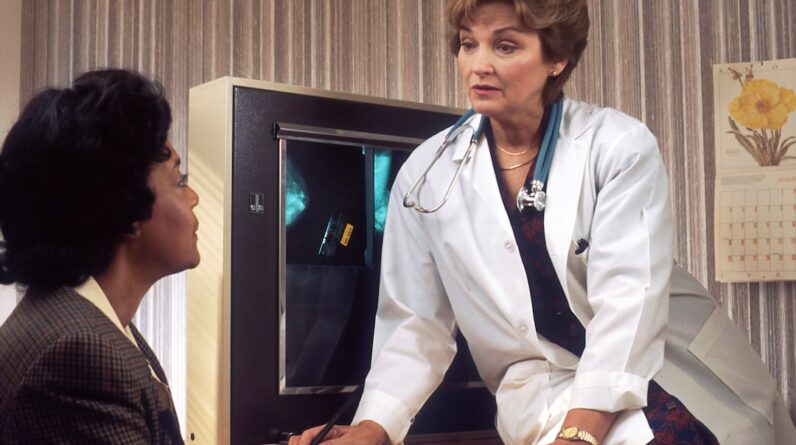
As you delve into the world of asbestos-related diseases, it becomes clear that the impact of asbestos exposure is profound and far-reaching. Asbestos, once hailed for its fire-resistant properties, has been linked to various forms of cancer, most notably mesothelioma, lung cancer, and asbestosis. The victims of these diseases often find themselves in a harrowing battle, not only against their illness but also against the systemic challenges that arise from their condition.
Understanding the plight of asbestos cancer victims is crucial, as it sheds light on the urgent need for support and advocacy. The journey of an asbestos cancer victim is often marked by a series of emotional and physical challenges. You may find that many individuals diagnosed with these diseases face not only the fear of mortality but also the burden of financial strain due to medical expenses and loss of income.
The stigma associated with these illnesses can lead to social isolation, compounding the psychological toll. As you explore this topic, it becomes evident that a multifaceted approach is necessary to provide adequate support for those affected by asbestos-related cancers.
Key Takeaways
- Asbestos cancer victims face significant challenges and require support from various entities to address their medical, legal, and financial needs.
- Government agencies play a crucial role in supporting asbestos cancer victims through regulations, compensation programs, and public health initiatives.
- Non-profit organizations offer a range of support services for asbestos cancer victims, including advocacy, education, and financial assistance.
- Legal advocacy groups provide essential assistance to asbestos cancer victims in pursuing legal claims for compensation and holding responsible parties accountable.
- Medical and research organizations contribute to the aid of asbestos cancer victims through treatment options, clinical trials, and advancements in understanding the disease.
The Role of Government Agencies in Supporting Asbestos Cancer Victims
Government agencies play a pivotal role in addressing the needs of asbestos cancer victims. You might be surprised to learn that various federal and state programs exist to provide financial assistance, medical care, and resources for those affected by asbestos exposure. The U.S. Department of Labor, for instance, administers the Energy Employees Occupational Illness Compensation Program Act (EEOICPA), which offers compensation to workers who developed illnesses due to exposure to toxic substances, including asbestos. This program is a lifeline for many victims and their families, ensuring they receive the financial support necessary to cope with their circumstances. In addition to compensation programs, government agencies are also involved in research and regulation concerning asbestos use and exposure. The Environmental Protection Agency (EPA) has established guidelines aimed at reducing asbestos exposure in both occupational and residential settings. As you consider the role of these agencies, it becomes clear that their efforts are essential in not only providing immediate support but also in preventing future cases of asbestos-related diseases. By regulating asbestos use and promoting awareness about its dangers, government agencies contribute significantly to the long-term health and safety of communities.
Non-Profit Organizations and their Support for Asbestos Cancer Victims

Non-profit organizations have emerged as vital advocates for asbestos cancer victims, offering a range of services designed to assist those affected by these devastating diseases. You may find organizations like the Mesothelioma Applied Research Foundation and the Asbestos Disease Awareness Organization (ADAO) at the forefront of this movement. These groups provide educational resources, support networks, and financial assistance to victims and their families.
By raising awareness about the dangers of asbestos and advocating for policy changes, non-profits play a crucial role in improving the lives of those impacted by asbestos-related cancers. Moreover, non-profit organizations often host events and campaigns aimed at increasing public awareness about asbestos exposure and its consequences. You might be inspired by their commitment to fostering community support and solidarity among victims.
Through fundraising efforts, they not only provide direct assistance but also contribute to ongoing research initiatives aimed at finding effective treatments and potential cures for asbestos-related diseases. The work of these organizations exemplifies the power of collective action in addressing a public health crisis.
Legal Advocacy Groups and their Assistance for Asbestos Cancer Victims
Legal advocacy groups are instrumental in helping asbestos cancer victims navigate the complex legal landscape surrounding their conditions. If you or someone you know has been diagnosed with an asbestos-related disease, you may find that these organizations offer invaluable resources and guidance. They assist victims in understanding their rights and options for pursuing compensation from responsible parties, including employers and manufacturers who failed to protect workers from asbestos exposure.
These legal advocacy groups often work on a contingency basis, meaning they only collect fees if they successfully secure compensation for their clients. This model ensures that victims can access legal representation without the burden of upfront costs. You might appreciate how these organizations empower individuals to seek justice while alleviating some of the financial stress associated with legal proceedings.
By holding corporations accountable for their negligence, legal advocacy groups play a crucial role in advocating for the rights of asbestos cancer victims.
Medical and Research Organizations Providing Aid to Asbestos Cancer Victims
Medical and research organizations are at the forefront of advancing knowledge about asbestos-related diseases and improving treatment options for victims. You may be interested to learn about institutions like the National Cancer Institute (NCI) and various cancer research centers that focus on studying mesothelioma and other asbestos-related cancers. These organizations not only conduct vital research but also provide resources for patients seeking treatment options.
In addition to research initiatives, many medical organizations offer support services tailored specifically for asbestos cancer victims. You might find that these services include access to clinical trials, which can provide patients with cutting-edge treatments that are not yet widely available. Furthermore, medical professionals affiliated with these organizations often collaborate with non-profits and advocacy groups to ensure that patients receive comprehensive care that addresses both their physical and emotional needs.
The synergy between medical research and patient support is essential in improving outcomes for those affected by asbestos-related diseases.
Corporate Responsibility and Support for Asbestos Cancer Victims

Corporate responsibility plays a significant role in addressing the needs of asbestos cancer victims. As you explore this topic, you may discover that some companies have taken proactive steps to support individuals affected by asbestos exposure. This includes establishing compensation funds for victims or contributing to research initiatives aimed at finding effective treatments for asbestos-related diseases.
By acknowledging their past roles in contributing to asbestos exposure, these corporations can help mitigate some of the harm caused by their actions. Moreover, corporate responsibility extends beyond financial contributions; it encompasses a commitment to transparency and accountability. Companies that prioritize safety measures and ethical practices can help prevent future cases of asbestos-related diseases.
You might find it encouraging that some businesses are actively working to phase out asbestos use entirely while investing in safer alternatives. This shift not only benefits current employees but also contributes to a healthier environment for future generations.
International Organizations and their Efforts to Assist Asbestos Cancer Victims
International organizations have recognized the global impact of asbestos-related diseases and are working diligently to assist victims worldwide. You may be surprised to learn about initiatives led by groups such as the World Health Organization (WHO) and various non-governmental organizations (NGOs) focused on raising awareness about the dangers of asbestos exposure. These organizations advocate for stricter regulations on asbestos use and promote public health campaigns aimed at educating communities about prevention strategies.
In addition to advocacy efforts, international organizations often collaborate with local governments and health agencies to provide resources for victims in low- and middle-income countries where access to care may be limited. You might find it inspiring that these organizations work tirelessly to ensure that all individuals affected by asbestos-related diseases receive the support they need, regardless of their geographic location or socioeconomic status. Their commitment to global health equity underscores the importance of addressing this public health crisis on an international scale.
The Importance of Support for Asbestos Cancer Victims
In conclusion, the plight of asbestos cancer victims highlights the urgent need for comprehensive support systems that address their unique challenges. From government agencies providing financial assistance to non-profit organizations advocating for awareness and research, a multifaceted approach is essential in improving the lives of those affected by asbestos-related diseases. Legal advocacy groups play a crucial role in ensuring victims receive justice while medical organizations continue to advance research efforts aimed at finding effective treatments.
As you reflect on this topic, it becomes clear that corporate responsibility and international collaboration are equally important in addressing the needs of asbestos cancer victims. By fostering a culture of accountability and support, we can work together to create a safer future free from the dangers of asbestos exposure. Ultimately, your awareness and advocacy can contribute significantly to improving outcomes for those affected by these devastating diseases, ensuring they receive the care, support, and justice they deserve.
FAQs
What is asbestos and how does it cause cancer?
Asbestos is a naturally occurring mineral that was commonly used in construction and manufacturing due to its heat resistance and durability. When asbestos fibers are inhaled or ingested, they can become lodged in the body, leading to inflammation and scarring that can cause cancer, such as mesothelioma and lung cancer.
What organizations support asbestos cancer victims?
There are several organizations that provide support and advocacy for asbestos cancer victims, including the Asbestos Disease Awareness Organization (ADAO), the Mesothelioma Applied Research Foundation (MARF), and the American Lung Association. These organizations offer resources, support groups, and advocacy efforts to raise awareness and support for those affected by asbestos-related diseases.
What kind of support do these organizations offer?
These organizations offer a range of support services for asbestos cancer victims, including access to medical and legal resources, support groups, educational materials, and advocacy efforts to raise awareness and support research for better treatments and a cure for asbestos-related diseases.
How can asbestos cancer victims and their families get in touch with these organizations?
Asbestos cancer victims and their families can get in touch with these organizations by visiting their websites, contacting their helplines, or attending their events and support group meetings. These organizations are dedicated to providing support and resources to those affected by asbestos-related diseases.