Asbestos, a naturally occurring mineral, has long been recognized for its hazardous health effects, particularly its role in the development of various cancers. When you inhale or ingest asbestos fibers, they can become lodged in your lungs or other tissues, leading to inflammation and cellular damage over time. This damage can trigger a cascade of biological processes that may culminate in cancer, most notably mesothelioma, lung cancer, and other respiratory diseases.
The latency period for these cancers can span decades, meaning that exposure to asbestos in the workplace or through environmental sources may not manifest until many years later. Understanding this connection is crucial for anyone who has been exposed to asbestos and is concerned about their health. The carcinogenic properties of asbestos are well-documented, with numerous studies linking it to cancer development.
You may find it alarming that even brief exposure can increase the risk of developing serious health issues. The fibers are so small that they can easily be inhaled or ingested without your knowledge, making it difficult to assess the level of risk associated with specific exposures. As you navigate the complexities of asbestos-related health concerns, it is essential to recognize the long-term implications of exposure and the importance of early detection and intervention in managing potential health outcomes.
Key Takeaways
- Asbestos exposure is a known cause of cancer development, particularly mesothelioma and lung cancer.
- Medical evidence plays a crucial role in proving the link between asbestos exposure and cancer in lawsuits.
- Legal precedents have been set in asbestos cancer lawsuits, establishing the responsibility of companies for asbestos-related illnesses.
- Obtaining medical proof in asbestos cancer cases can be challenging due to the long latency period between exposure and diagnosis.
- Alternative evidence, such as witness testimony and documentation of asbestos exposure, can also be important in asbestos cancer lawsuits.
The Importance of Medical Evidence in Asbestos Cancer Lawsuits
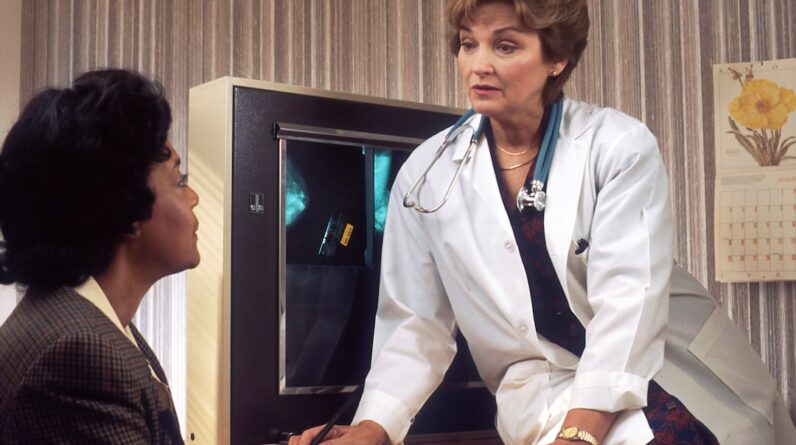
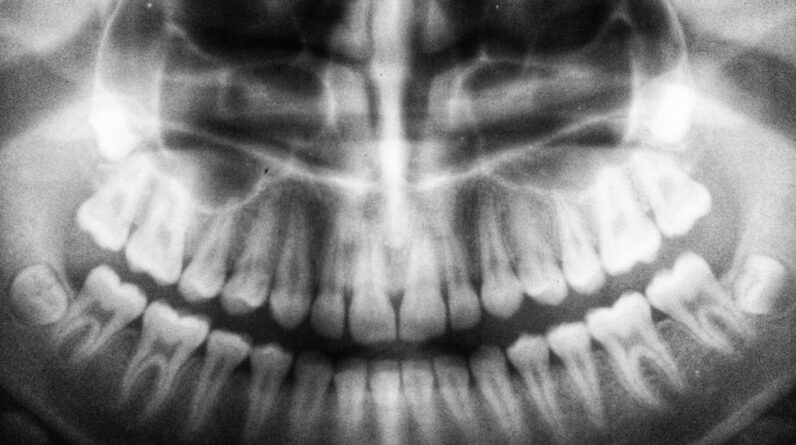
In the realm of asbestos cancer lawsuits, medical evidence serves as the cornerstone for establishing a connection between exposure and the resulting health conditions. When you pursue legal action due to asbestos-related illnesses, you must present compelling medical documentation that substantiates your claims. This evidence typically includes diagnostic reports, imaging studies, and expert opinions that collectively demonstrate the link between your asbestos exposure and the cancer diagnosis.
Without robust medical evidence, your case may lack the necessary foundation to succeed in court. Moreover, medical evidence not only helps establish causation but also plays a critical role in determining the extent of damages you may be entitled to receive. Courts often rely on medical records to assess the severity of your condition, the impact on your quality of life, and the financial burdens associated with treatment.
As you gather this evidence, it is vital to work closely with healthcare professionals who understand the nuances of asbestos-related diseases. Their insights can help you build a stronger case and ensure that your legal representation has access to the most relevant information.
Legal Precedents in Asbestos Cancer Lawsuits
Legal precedents play a significant role in shaping the landscape of asbestos cancer lawsuits. As you delve into this area of law, you will encounter numerous cases that have set important benchmarks for future litigation. Landmark cases have established key principles regarding liability, exposure limits, and the responsibilities of manufacturers and employers.
These precedents serve as guiding frameworks for your legal team as they navigate your case and seek to hold responsible parties accountable for their negligence. One notable example is the case of “Borel Fibreboard Paper Products Corp.” This landmark ruling established that manufacturers could be held liable for failing to warn workers about the dangers of asbestos exposure. Such precedents not only influence how courts interpret evidence but also impact settlement negotiations and jury decisions.
By understanding these legal precedents, you can better appreciate how your case fits into the broader context of asbestos litigation and what strategies may be most effective in pursuing justice.
Challenges in Obtaining Medical Proof in Asbestos Cancer Cases
While medical evidence is crucial for your asbestos cancer lawsuit, obtaining it can present significant challenges. One major hurdle is the often lengthy latency period associated with asbestos-related diseases. By the time symptoms manifest and a diagnosis is made, you may find it difficult to trace back to specific instances of exposure.
This challenge is compounded by the fact that many individuals may have worked in multiple environments where asbestos was present, making it hard to pinpoint exact sources of exposure. Additionally, medical records may not always be complete or readily accessible. You might encounter difficulties in obtaining historical records from past employers or healthcare providers, especially if those entities no longer exist or have destroyed records due to age.
This lack of documentation can hinder your ability to establish a clear link between your illness and asbestos exposure. As you navigate these challenges, it is essential to remain persistent and work closely with legal professionals who specialize in asbestos litigation. They can help you identify alternative strategies for gathering evidence and building a compelling case.
Alternative Evidence in Asbestos Cancer Lawsuits
In situations where traditional medical proof is lacking or difficult to obtain, alternative evidence can play a pivotal role in supporting your asbestos cancer lawsuit. This type of evidence may include witness testimonies from colleagues or family members who can attest to your exposure history or the conditions under which you worked. Such testimonies can provide valuable context and corroborate your claims about exposure levels and environments.
Additionally, industry documents, safety reports, and historical data regarding asbestos use can serve as powerful tools in establishing liability. For instance, if you worked in a facility known for its use of asbestos-containing materials, documentation from that time can help substantiate your claims even if direct medical evidence is sparse. By leveraging these alternative forms of evidence, you can strengthen your case and enhance your chances of achieving a favorable outcome.
The Impact of Medical Proof on Asbestos Cancer Lawsuit Outcomes
The presence or absence of medical proof can significantly influence the outcomes of asbestos cancer lawsuits. When you present strong medical evidence linking your illness to asbestos exposure, it enhances your credibility and strengthens your case in the eyes of the court or jury. Conversely, if your medical documentation is weak or inconclusive, it may undermine your claims and lead to unfavorable results.
Moreover, the quality of medical evidence can also affect settlement negotiations. Defendants are more likely to offer substantial settlements when faced with compelling medical proof that clearly establishes liability and damages. As you prepare for potential litigation or settlement discussions, it is crucial to ensure that your medical evidence is comprehensive and well-organized.
This preparation not only bolsters your case but also empowers you to advocate effectively for your rights and seek the compensation you deserve.
The Role of Expert Witnesses in Asbestos Cancer Lawsuits
Expert witnesses play a vital role in asbestos cancer lawsuits by providing specialized knowledge and insights that can clarify complex medical issues for judges and juries. When you engage expert witnesses—such as oncologists or industrial hygienists—they can help explain how asbestos exposure leads to specific types of cancer and assess the extent of your illness. Their testimony can bridge the gap between medical evidence and legal arguments, making it easier for decision-makers to understand the implications of your case.
Furthermore, expert witnesses can also evaluate the safety practices of employers or manufacturers involved in your exposure history. They can provide opinions on whether proper safety measures were taken or if negligence contributed to your illness. By incorporating expert testimony into your case, you enhance its credibility and provide a clearer narrative regarding how asbestos exposure has impacted your life.
The Future of Medical Evidence in Asbestos Cancer Lawsuits
As society continues to grapple with the legacy of asbestos exposure, the future of medical evidence in asbestos cancer lawsuits is likely to evolve significantly. Advances in medical research may lead to improved diagnostic techniques that allow for earlier detection of asbestos-related diseases. As these advancements occur, they could provide stronger medical proof for individuals seeking justice through legal channels.
Additionally, as awareness about the dangers of asbestos grows, there may be increased advocacy for better record-keeping practices among employers and healthcare providers. Improved documentation could facilitate easier access to medical records for those pursuing legal action. As you consider the future landscape of asbestos litigation, staying informed about these developments will be essential for navigating potential challenges and opportunities in seeking justice for asbestos-related illnesses.
In conclusion, understanding the multifaceted role of medical evidence in asbestos cancer lawsuits is crucial for anyone affected by this issue. From establishing causation to influencing outcomes, medical proof serves as a linchpin in these legal battles. By recognizing the challenges and opportunities associated with gathering this evidence, you can better prepare yourself for navigating the complexities of pursuing justice in an increasingly intricate legal landscape.
FAQs
What is asbestos and how does it cause cancer?
Asbestos is a naturally occurring mineral that was commonly used in construction and manufacturing due to its heat resistance and durability. When asbestos fibers are inhaled or ingested, they can become lodged in the body, leading to inflammation and scarring that can eventually cause cancer, such as mesothelioma and lung cancer.
What are asbestos cancer lawsuits?
Asbestos cancer lawsuits are legal actions filed by individuals who have been diagnosed with cancer as a result of asbestos exposure. These lawsuits seek compensation for medical expenses, lost wages, and pain and suffering caused by the illness.
Is medical proof always necessary in asbestos cancer lawsuits?
While medical proof is typically necessary to establish a diagnosis of asbestos-related cancer, there are instances where a diagnosis may be based on a combination of medical evidence and a history of asbestos exposure. In some cases, courts may consider circumstantial evidence and expert testimony to establish a link between asbestos exposure and the development of cancer.
What types of evidence are typically used in asbestos cancer lawsuits?
Evidence used in asbestos cancer lawsuits may include medical records, pathology reports, imaging studies, and documentation of asbestos exposure in the workplace or other environments. Witness testimony and expert opinions from medical professionals and industrial hygienists may also be used to support the case.
What should individuals do if they suspect they have an asbestos-related illness?
Individuals who suspect they have an asbestos-related illness should seek medical attention from a healthcare provider with experience in diagnosing and treating asbestos-related diseases. They should also consider consulting with a legal professional to explore their options for pursuing compensation through a lawsuit.