Mesothelioma is a rare and aggressive form of cancer that primarily affects the lining of the lungs, known as the pleura, but can also impact the lining of the abdomen and heart. This disease is most commonly associated with asbestos exposure, a material that was widely used in construction and manufacturing until its dangers became widely recognized. If you have been exposed to asbestos, it is crucial to understand the risks associated with this exposure, as mesothelioma can take decades to develop after initial contact.
The symptoms often mimic those of other respiratory conditions, which can lead to delays in diagnosis and treatment. The complexity of mesothelioma lies not only in its aggressive nature but also in its various subtypes, including pleural, peritoneal, and pericardial mesothelioma. Each type presents unique challenges and requires tailored approaches for management.
As you delve deeper into understanding mesothelioma, you may find it helpful to familiarize yourself with the common symptoms, such as persistent cough, chest pain, and unexplained weight loss. Recognizing these signs early can be pivotal in seeking timely medical intervention.
Key Takeaways
- Mesothelioma is a rare and aggressive cancer that affects the lining of the lungs, abdomen, or heart, and is primarily caused by asbestos exposure.
- Early detection of mesothelioma is crucial for improving treatment outcomes and increasing the chances of survival.
- Treatment options for early-stage mesothelioma may include surgery, chemotherapy, radiation therapy, and participation in clinical trials.
- The prognosis for early-stage mesothelioma is generally better than for advanced stages, with a higher likelihood of successful treatment and longer survival.
- Surgery plays a significant role in the treatment of early-stage mesothelioma, with the potential to remove the tumor and improve overall prognosis.
Importance of Early Detection
Early detection of mesothelioma significantly influences treatment outcomes and overall prognosis. When diagnosed at an early stage, the options for treatment are more varied and often more effective. You may be aware that many patients experience a delay in diagnosis due to the nonspecific nature of early symptoms.
This underscores the importance of being vigilant about your health, especially if you have a history of asbestos exposure. Regular check-ups and discussions with your healthcare provider about any concerning symptoms can lead to earlier intervention. Moreover, early detection allows for a more comprehensive approach to treatment planning.
When mesothelioma is caught in its initial stages, it may be localized, meaning it has not yet spread to other parts of the body. This localized state opens up possibilities for curative treatments that may not be available once the cancer has advanced. By prioritizing early detection, you empower yourself to take control of your health journey and improve your chances of a favorable outcome.
Treatment Options for Early-Stage Mesothelioma
When it comes to treating early-stage mesothelioma, several options are available that can significantly impact your quality of life and survival rates. The primary goal of treatment at this stage is often curative, focusing on removing the cancerous tissue and preventing its spread. Surgery is typically the first line of defense for patients diagnosed with localized mesothelioma.
Depending on the specific type and location of the cancer, procedures may include pleurectomy/decortication or extrapleural pneumonectomy. These surgeries aim to remove as much of the tumor as possible while preserving lung function. In addition to surgical options, adjuvant therapies such as chemotherapy and radiation may be recommended to eliminate any remaining cancer cells post-surgery.
These treatments can help reduce the risk of recurrence and improve overall survival rates. As you explore these options, it’s essential to have open discussions with your healthcare team about the potential benefits and risks associated with each treatment modality. Understanding your choices will empower you to make informed decisions that align with your personal health goals.
Prognosis for Early-Stage Mesothelioma
The prognosis for early-stage mesothelioma is generally more favorable than for advanced stages of the disease. When diagnosed early, many patients experience longer survival rates and improved quality of life due to the availability of curative treatment options. Statistically, patients with localized mesothelioma may live several years longer than those diagnosed at later stages.
However, it’s important to remember that individual prognoses can vary widely based on several factors, including age, overall health, and specific tumor characteristics. As you consider prognosis, it’s crucial to maintain realistic expectations while remaining hopeful. Engaging with support groups or connecting with others who have faced similar challenges can provide valuable insights into living with mesothelioma.
Additionally, staying informed about advancements in research and treatment options can help you feel more empowered in your journey. While statistics can provide a general overview, your personal experience will ultimately shape your outlook on living with this condition.
Role of Surgery in Early-Stage Mesothelioma
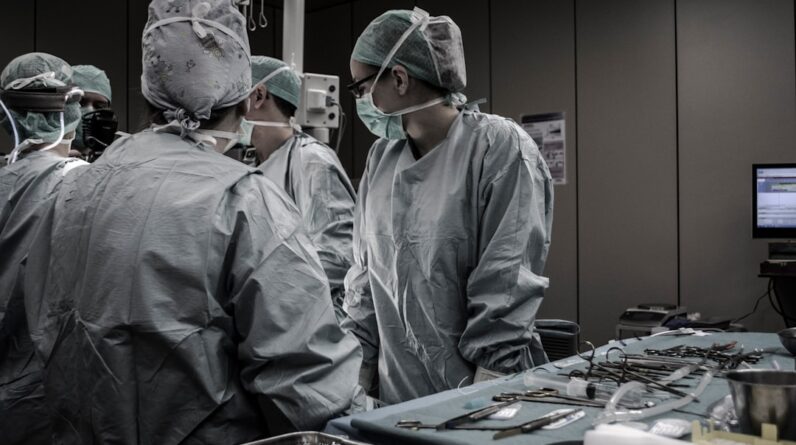
Surgery plays a pivotal role in the management of early-stage mesothelioma, often serving as the cornerstone of treatment for localized disease. If you are diagnosed at this stage, your healthcare team may recommend surgical intervention as a primary approach to remove the tumor and affected tissues. The type of surgery performed will depend on various factors, including the location of the cancer and your overall health status.
Procedures like pleurectomy/decortication aim to remove only the tumor while preserving lung function, whereas extrapleural pneumonectomy involves removing an entire lung along with surrounding tissues. The benefits of surgery extend beyond tumor removal; they also provide valuable diagnostic information that can guide further treatment decisions. For instance, during surgery, pathologists can assess lymph nodes and surrounding tissues for any signs of cancer spread.
This information is crucial for determining the most effective post-surgical treatment plan. While surgery can be a daunting prospect, many patients find that it offers a sense of control over their disease and a chance for improved outcomes.
Chemotherapy and Radiation Therapy for Early-Stage Mesothelioma

In conjunction with surgery, chemotherapy and radiation therapy are essential components of a comprehensive treatment plan for early-stage mesothelioma. Chemotherapy involves using powerful drugs to target and kill cancer cells throughout the body. For patients who have undergone surgery, adjuvant chemotherapy may be recommended to eliminate any remaining cancer cells and reduce the risk of recurrence.
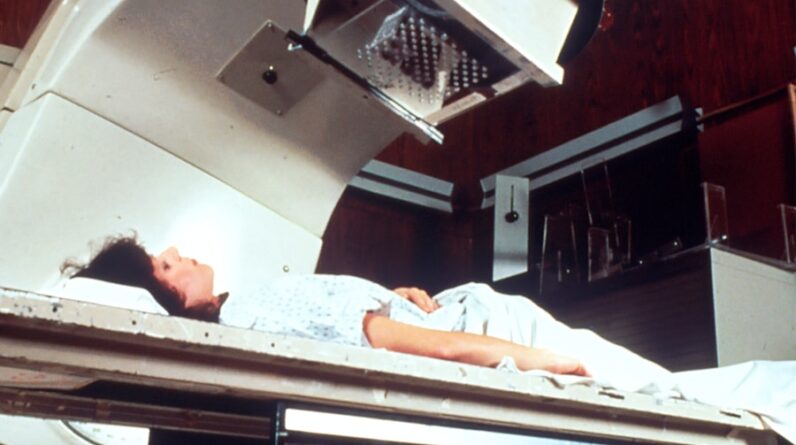
You may find that chemotherapy regimens are tailored to your specific needs, taking into account factors such as tumor type and overall health. Radiation therapy can also play a significant role in managing early-stage mesothelioma. It may be used as a standalone treatment or in combination with surgery and chemotherapy.
Radiation can help shrink tumors before surgery or target residual cancer cells afterward. The decision to incorporate radiation therapy into your treatment plan will depend on various factors, including tumor location and response to other treatments. As you navigate these options, maintaining open communication with your healthcare team will ensure that you receive personalized care tailored to your unique situation.
Clinical Trials and Emerging Treatments
As research continues to evolve in the field of mesothelioma treatment, clinical trials offer promising avenues for patients seeking innovative therapies. Participating in a clinical trial may provide access to cutting-edge treatments that are not yet widely available but show potential for improving outcomes in early-stage mesothelioma. These trials often explore new drug combinations, immunotherapies, or targeted therapies designed to enhance the body’s ability to fight cancer.
If you are considering participation in a clinical trial, it’s essential to discuss this option with your healthcare provider. They can help you understand the eligibility criteria, potential benefits, and risks associated with trial participation. Engaging in clinical research not only contributes to advancing medical knowledge but also offers hope for patients who may not respond well to traditional treatments.
By staying informed about emerging therapies and clinical trials, you position yourself at the forefront of potential breakthroughs in mesothelioma care.
Importance of Ongoing Monitoring and Support
After completing initial treatment for early-stage mesothelioma, ongoing monitoring becomes crucial in managing your health and detecting any signs of recurrence early on. Regular follow-up appointments with your healthcare team will typically include imaging studies and blood tests designed to track your progress and identify any changes in your condition. Staying proactive about these appointments is vital; they provide an opportunity for timely intervention should any issues arise.
In addition to medical monitoring, emotional support plays an equally important role in your journey with mesothelioma. Connecting with support groups or counseling services can help you navigate the emotional challenges that often accompany a cancer diagnosis. Sharing experiences with others who understand what you’re going through can foster a sense of community and resilience.
Remember that you are not alone; there are resources available to help you cope with both the physical and emotional aspects of living with mesothelioma. In conclusion, understanding mesothelioma is essential for anyone affected by this disease. Early detection significantly impacts treatment options and prognosis, making it crucial to remain vigilant about health changes if you have been exposed to asbestos.
With various treatment modalities available—ranging from surgery to chemotherapy and emerging clinical trials—there is hope for improved outcomes even in challenging circumstances. Ongoing monitoring and support are vital components of managing life after diagnosis, ensuring that you remain empowered throughout your journey with mesothelioma.
FAQs
What is mesothelioma?
Mesothelioma is a rare and aggressive form of cancer that develops in the lining of the lungs, abdomen, or heart. It is primarily caused by exposure to asbestos.
Can mesothelioma be cured if caught early?
While there is currently no cure for mesothelioma, early detection and treatment can significantly improve a patient’s prognosis and quality of life.
What are the treatment options for early-stage mesothelioma?
Treatment options for early-stage mesothelioma may include surgery, chemotherapy, and radiation therapy. These treatments can help to control the cancer and alleviate symptoms.
What are the survival rates for early-stage mesothelioma?
The survival rates for early-stage mesothelioma vary depending on the location of the cancer and the overall health of the patient. However, early detection and treatment can improve the chances of long-term survival.
What are the risk factors for developing mesothelioma?
The primary risk factor for developing mesothelioma is exposure to asbestos. Other risk factors may include a family history of the disease and certain genetic mutations.