Epidermoid carcinoma of the lung, also known as squamous cell carcinoma, is a type of non-small cell lung cancer that originates from the squamous cells lining the airways. This form of cancer is characterized by the abnormal growth of these cells, which can lead to the formation of tumors in the lungs. As you delve deeper into understanding this condition, it becomes clear that it is often associated with a history of smoking, although non-smokers can also develop this type of cancer.
The disease typically arises in the central part of the lungs and can be aggressive, making early detection and treatment crucial. The classification of epidermoid carcinoma is based on the histological characteristics of the tumor. It is essential to recognize that this type of lung cancer can vary in its appearance and behavior, which can influence treatment decisions.
The understanding of epidermoid carcinoma lung is continually evolving, with ongoing research aimed at uncovering the molecular and genetic factors that contribute to its development. By familiarizing yourself with the nuances of this disease, you can better appreciate the complexities involved in its diagnosis and management.
Key Takeaways
- Epidermoid carcinoma lung is a type of non-small cell lung cancer that starts in the cells lining the airways.
- Symptoms of epidermoid carcinoma lung may include persistent cough, chest pain, shortness of breath, and coughing up blood.
- Treatment options for epidermoid carcinoma lung may include surgery, chemotherapy, radiation therapy, targeted therapy, and immunotherapy.
- The prognosis and survival rates for epidermoid carcinoma lung depend on the stage of the cancer at diagnosis and the individual’s overall health.
- Risk factors for epidermoid carcinoma lung include smoking, exposure to secondhand smoke, and exposure to certain chemicals and substances.
Symptoms and Diagnosis of Epidermoid Carcinoma Lung
Recognizing the symptoms of epidermoid carcinoma lung is vital for timely diagnosis and intervention. Common symptoms may include a persistent cough, chest pain, difficulty breathing, and unexplained weight loss. As you pay attention to these signs, it’s important to note that they can often be mistaken for other respiratory conditions, which can delay diagnosis.
Additionally, you might experience coughing up blood or rust-colored sputum, which can be alarming and should prompt immediate medical attention. Diagnosis typically involves a combination of imaging studies and tissue sampling. A chest X-ray or CT scan may reveal abnormalities in the lungs, leading your healthcare provider to recommend a biopsy to confirm the presence of cancerous cells.
This process can be daunting, but understanding that these steps are crucial for accurate diagnosis can help ease your concerns. Once a diagnosis is made, staging tests will determine the extent of the disease, which is essential for developing an effective treatment plan.
Treatment Options for Epidermoid Carcinoma Lung
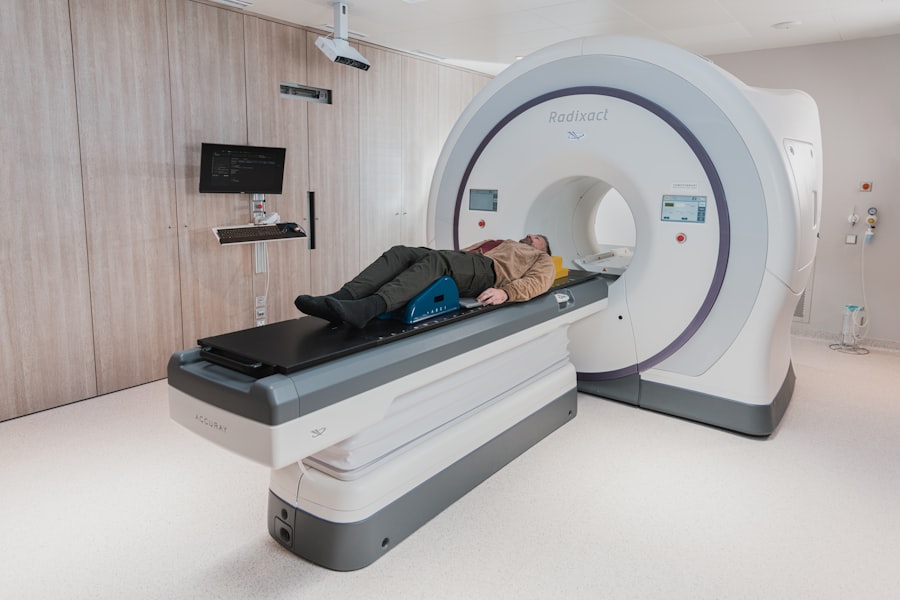
When it comes to treating epidermoid carcinoma lung, several options are available depending on the stage of the cancer and your overall health. Surgery is often the first line of treatment for localized tumors, where the goal is to remove the cancerous tissue entirely. If you are diagnosed at an early stage, surgical intervention may offer the best chance for a cure.
However, if the cancer has spread or is inoperable, other treatment modalities such as chemotherapy and radiation therapy may be recommended. Chemotherapy involves using powerful drugs to kill cancer cells or inhibit their growth. This treatment can be administered before surgery (neoadjuvant therapy) to shrink tumors or after surgery (adjuvant therapy) to eliminate any remaining cancer cells.
Radiation therapy may also be employed either as a primary treatment or in conjunction with chemotherapy to enhance its effectiveness. As you navigate through these options, it’s essential to have open discussions with your healthcare team about potential side effects and how they may impact your quality of life.
Prognosis and Survival Rates for Epidermoid Carcinoma Lung
The prognosis for epidermoid carcinoma lung varies significantly based on several factors, including the stage at diagnosis, your overall health, and how well you respond to treatment. Generally speaking, early-stage cancers have a more favorable prognosis compared to those diagnosed at advanced stages. Survival rates are often expressed in terms of five-year survival rates, which indicate the percentage of patients who live at least five years after diagnosis.
For localized epidermoid carcinoma, the five-year survival rate can be as high as 60-70%, while advanced stages may see rates drop significantly. Understanding these statistics can be both enlightening and overwhelming. It’s important to remember that survival rates are based on large groups of people and cannot predict individual outcomes.
Factors such as advancements in treatment options and personalized care plans can significantly influence your prognosis. Engaging in discussions with your healthcare provider about your specific situation can provide clarity and help set realistic expectations moving forward.
Risk Factors and Causes of Epidermoid Carcinoma Lung
Identifying risk factors associated with epidermoid carcinoma lung is crucial for understanding who may be more susceptible to developing this disease. Smoking remains the most significant risk factor; approximately 80% of lung cancer cases are linked to tobacco use. If you are a smoker or have a history of smoking, it’s essential to recognize how this habit increases your risk.
Additionally, exposure to secondhand smoke, environmental pollutants, and occupational hazards such as asbestos can also contribute to the likelihood of developing lung cancer. While smoking is a primary cause, it’s important to note that non-smokers can also develop epidermoid carcinoma lung due to genetic predispositions or other environmental factors. Understanding these risks can empower you to make informed lifestyle choices and seek regular medical check-ups if you fall into a higher-risk category.
Awareness is key; by recognizing potential causes and risk factors, you can take proactive steps toward reducing your chances of developing this serious condition.
Prevention and Early Detection of Epidermoid Carcinoma Lung

Preventing epidermoid carcinoma lung largely revolves around lifestyle choices and early detection strategies. If you smoke, quitting is one of the most effective ways to reduce your risk significantly. Engaging in regular physical activity, maintaining a healthy diet rich in fruits and vegetables, and avoiding exposure to known carcinogens can also contribute to lowering your risk profile.
Additionally, staying informed about your family history regarding lung cancer can help you understand your personal risk better. Early detection plays a critical role in improving outcomes for those diagnosed with epidermoid carcinoma lung. Regular screenings such as low-dose CT scans are recommended for high-risk individuals, particularly long-term smokers aged 55-80.
These screenings can help identify lung cancer at an earlier stage when it is more treatable. By being proactive about your health and discussing screening options with your healthcare provider, you can take significant steps toward early detection and potentially improve your prognosis.
Living with Epidermoid Carcinoma Lung: Support and Resources
Living with epidermoid carcinoma lung can be an overwhelming experience filled with uncertainty and emotional challenges. It’s essential to seek support from friends, family, or support groups who understand what you’re going through. Connecting with others who have faced similar challenges can provide comfort and valuable insights into coping strategies.
Many organizations offer resources specifically tailored for lung cancer patients, including counseling services, educational materials, and financial assistance programs. In addition to emotional support, practical resources are available to help you navigate your journey with epidermoid carcinoma lung. Your healthcare team can guide you through treatment options and provide information on clinical trials that may be available for new therapies.
Online platforms also offer forums where patients share their experiences and advice on managing side effects or making lifestyle adjustments during treatment. By utilizing these resources, you can create a support network that empowers you throughout your journey.
Research and Advances in the Treatment of Epidermoid Carcinoma Lung
The field of oncology is continually evolving, with ongoing research focused on improving treatment options for epidermoid carcinoma lung. Recent advances in targeted therapies and immunotherapy have shown promise in treating this type of cancer more effectively than traditional methods alone. These innovative approaches aim to harness the body’s immune system or target specific genetic mutations within cancer cells, offering new hope for patients who may not respond well to conventional treatments.
As research progresses, clinical trials play a vital role in discovering new therapies and improving existing ones. Participating in clinical trials may provide access to cutting-edge treatments that are not yet widely available. If you are considering this option, discussing it with your healthcare provider can help determine if you qualify for any ongoing studies.
Staying informed about advancements in research not only empowers you but also allows you to make educated decisions regarding your treatment plan as new options become available. In conclusion, understanding epidermoid carcinoma lung encompasses various aspects from symptoms and diagnosis to treatment options and ongoing research efforts. By educating yourself about this condition and actively engaging with healthcare professionals, you can navigate this challenging journey with greater confidence and resilience.
FAQs
What is Epidermoid Carcinoma Lung?
Epidermoid carcinoma of the lung, also known as squamous cell carcinoma, is a type of non-small cell lung cancer that originates in the cells lining the airways of the lungs.
What are the symptoms of Epidermoid Carcinoma Lung?
Symptoms of epidermoid carcinoma of the lung may include persistent cough, chest pain, shortness of breath, coughing up blood, hoarseness, and recurrent respiratory infections.
What are the risk factors for developing Epidermoid Carcinoma Lung?
Risk factors for developing epidermoid carcinoma of the lung include smoking, exposure to secondhand smoke, exposure to radon gas, exposure to asbestos, and a family history of lung cancer.
How is Epidermoid Carcinoma Lung diagnosed?
Diagnosis of epidermoid carcinoma of the lung may involve imaging tests such as chest X-rays and CT scans, as well as biopsy to examine the lung tissue for cancer cells.
What are the treatment options for Epidermoid Carcinoma Lung?
Treatment options for epidermoid carcinoma of the lung may include surgery, chemotherapy, radiation therapy, targeted therapy, and immunotherapy, depending on the stage and extent of the cancer.
What is the prognosis for Epidermoid Carcinoma Lung?
The prognosis for epidermoid carcinoma of the lung varies depending on the stage at which it is diagnosed, the overall health of the patient, and the effectiveness of the chosen treatment. Early detection and treatment can improve the prognosis.