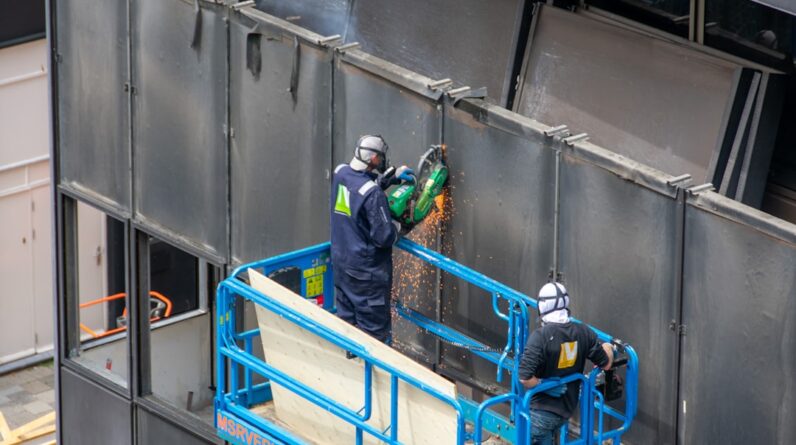
Asbestos is a naturally occurring mineral that has been widely used in various industries due to its heat resistance and insulating properties. You may not realize that asbestos was once considered a miracle material, utilized in construction, automotive parts, and even household products. However, the very qualities that made it desirable also contribute to its dangers.
When asbestos fibers are disturbed, they can become airborne and easily inhaled or ingested, leading to serious health risks. Understanding how exposure occurs is crucial for recognizing potential hazards in your environment. You might encounter asbestos in older buildings, particularly those constructed before the 1980s when its use was more prevalent.
Common locations include insulation, floor tiles, roofing materials, and even some types of cement. If you live or work in an older structure, it’s essential to be aware of the potential for asbestos exposure. Even minor renovations or repairs can disturb these materials, releasing harmful fibers into the air.
Therefore, being informed about where asbestos might be present can help you take necessary precautions to protect yourself and others.
Key Takeaways
- Asbestos exposure occurs when asbestos fibers are inhaled or ingested, leading to potential health risks.
- Health risks associated with asbestos exposure include lung cancer, mesothelioma, and asbestosis.
- Symptoms of asbestos exposure may include shortness of breath, coughing, chest pain, and difficulty swallowing.
- After being exposed to asbestos, it is important to seek medical attention and inform healthcare providers about the exposure.
- Asbestos exposure victims have legal rights and options for seeking compensation and holding responsible parties accountable.
Health Risks Associated with Asbestos Exposure
The health risks associated with asbestos exposure are significant and well-documented. When you inhale or ingest asbestos fibers, they can become lodged in your lungs or other tissues, leading to a range of serious diseases. One of the most severe conditions linked to asbestos exposure is mesothelioma, a rare and aggressive cancer that primarily affects the lining of the lungs and abdomen.
This disease often takes decades to develop, meaning that even if you were exposed years ago, symptoms may not appear until much later. In addition to mesothelioma, asbestos exposure can lead to other respiratory diseases such as asbestosis and lung cancer. Asbestosis is a chronic lung condition caused by scarring of lung tissue due to asbestos fibers.
It can result in severe breathing difficulties and significantly impact your quality of life. Lung cancer, on the other hand, can develop from prolonged exposure to asbestos, especially if you are a smoker. The combination of smoking and asbestos exposure greatly increases your risk of developing lung cancer, making it vital to understand these health risks if you have been exposed.
Symptoms of Asbestos Exposure
Recognizing the symptoms of asbestos exposure is crucial for early detection and intervention. Initially, you may not experience any noticeable symptoms, as many asbestos-related diseases have long latency periods. However, as time passes, you might begin to notice persistent coughing, shortness of breath, or chest pain.
These symptoms can be easily mistaken for other respiratory conditions, which is why it’s essential to consider your exposure history when evaluating your health. As the diseases progress, you may experience more severe symptoms such as fatigue, weight loss, and difficulty swallowing. In cases of mesothelioma, you might also notice swelling in the abdomen or chest due to fluid buildup.
If you have been exposed to asbestos and start experiencing any of these symptoms, it’s important not to ignore them. Early diagnosis can significantly impact treatment options and outcomes, so being vigilant about your health is paramount.
Steps to Take After Being Exposed to Asbestos
If you suspect that you have been exposed to asbestos, taking immediate action is essential for your health and safety. The first step is to remove yourself from the source of exposure if possible. This may involve leaving a worksite or avoiding areas where asbestos-containing materials are present.
Once you are in a safe environment, it’s crucial to document your exposure details, including when and where it occurred and any specific materials involved. Next, consider reaching out to a professional for an assessment of your situation. An industrial hygienist or an environmental health expert can help evaluate the risk level and recommend appropriate actions.
They may suggest air quality testing or an inspection of the area where the exposure occurred. Taking these steps not only protects your health but also helps create a safer environment for others who may be at risk.
Seeking Medical Attention After Asbestos Exposure
Seeking medical attention after potential asbestos exposure is a critical step in safeguarding your health. Even if you do not exhibit any immediate symptoms, it’s wise to consult with a healthcare professional who understands the implications of asbestos exposure. They can conduct a thorough evaluation and recommend appropriate screenings or tests based on your exposure history.
Your doctor may suggest imaging tests such as X-rays or CT scans to check for any abnormalities in your lungs or other affected areas. Additionally, they might recommend regular monitoring over time since some conditions related to asbestos exposure can take years to manifest. By staying proactive about your health and following your doctor’s recommendations, you can better manage any potential risks associated with past exposure.
Legal Rights and Options for Asbestos Exposure Victims
Seeking Compensation for Asbestos Exposure
Many victims of asbestos exposure have successfully pursued compensation through legal channels. You may be entitled to file a claim against employers or manufacturers who failed to provide adequate safety measures or warnings regarding asbestos hazards. This can include compensation for medical expenses, lost wages, and pain and suffering.
The Importance of Consulting an Asbestos Attorney
Consulting with an attorney who specializes in asbestos litigation can help you navigate this complex process. They can assess your case and guide you through the necessary steps to seek compensation. An experienced attorney can help you build a strong case and ensure that you receive the maximum amount of compensation you deserve.
Empowering Yourself to Take Action
Understanding your rights empowers you to take action and hold responsible parties accountable for their negligence. Don’t hesitate to seek legal advice and take the first step towards seeking justice and compensation for your asbestos-related injuries.
Preventing Future Asbestos Exposure
Preventing future asbestos exposure is essential for protecting yourself and others from its harmful effects. If you live in an older home or work in an environment where asbestos may be present, consider having a professional inspection conducted. Identifying potential sources of exposure allows you to take appropriate measures to mitigate risks.
If asbestos-containing materials are found in your home or workplace, it’s crucial not to disturb them unless necessary. In many cases, encapsulation or professional removal by certified experts is the safest option. Additionally, educating yourself and those around you about the dangers of asbestos can foster a culture of safety and awareness that helps prevent future exposures.
Resources for Asbestos Exposure Victims
There are numerous resources available for individuals affected by asbestos exposure that can provide support and information. Organizations such as the Mesothelioma Applied Research Foundation and the Asbestos Disease Awareness Organization offer valuable resources for victims and their families. These organizations provide educational materials, support groups, and information on treatment options.
Additionally, local health departments may offer resources related to asbestos exposure and its health implications. Connecting with others who have experienced similar situations can also be beneficial; support groups provide a platform for sharing experiences and coping strategies. By utilizing these resources, you can find the support you need while navigating the challenges associated with asbestos exposure.
In conclusion, understanding the risks associated with asbestos exposure is vital for protecting your health and well-being. By being informed about potential sources of exposure, recognizing symptoms, seeking medical attention when necessary, and knowing your legal rights, you can take proactive steps toward safeguarding yourself and others from the dangers of this hazardous material. Remember that prevention is key; staying educated about asbestos can help create safer environments for everyone.
FAQs
What is asbestos?
Asbestos is a naturally occurring mineral that was commonly used in construction and manufacturing due to its heat resistance and durability.
How can someone be exposed to asbestos?
Exposure to asbestos can occur through inhalation of asbestos fibers, which can be released into the air when asbestos-containing materials are disturbed or damaged.
What are the health risks of asbestos exposure?
Exposure to asbestos can lead to serious health issues, including lung cancer, mesothelioma, and asbestosis. These diseases may not appear until many years after the initial exposure.
What should I do if I have been exposed to asbestos once?
If you have been exposed to asbestos, it is important to seek medical attention and inform your healthcare provider about the exposure. They can provide guidance on monitoring your health and potential screening for asbestos-related diseases.
Can asbestos exposure be prevented?
Asbestos exposure can be prevented by following safety guidelines when working with asbestos-containing materials and by using protective equipment such as masks and respirators. It is also important to have asbestos-containing materials properly removed by trained professionals.