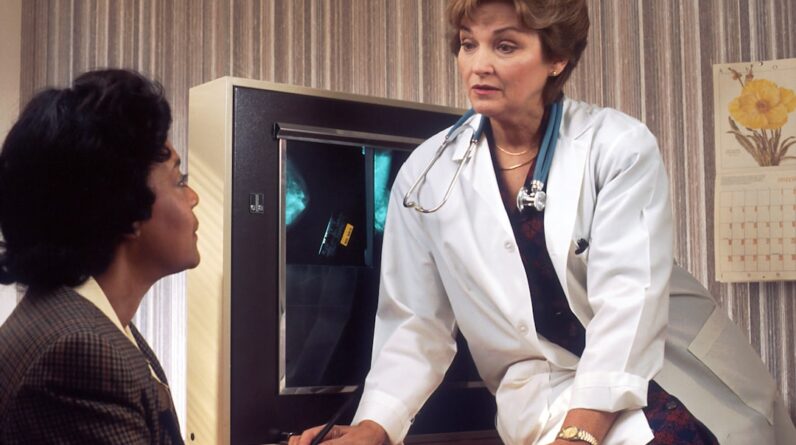
When you or a loved one receives a diagnosis of mesothelioma, it can feel overwhelming. This rare and aggressive form of cancer primarily affects the lining of the lungs, abdomen, or heart, and is most commonly linked to asbestos exposure. Understanding the nature of this disease is crucial for you to navigate the challenges ahead.
Mesothelioma is often diagnosed at an advanced stage due to its long latency period, which can span decades after initial exposure to asbestos. Symptoms may include persistent cough, chest pain, and difficulty breathing, but these can easily be mistaken for other conditions, leading to delays in diagnosis. The diagnosis process typically involves imaging tests such as X-rays or CT scans, followed by a biopsy to confirm the presence of cancerous cells.
If you find yourself in this situation, it’s essential to seek out specialists who are experienced in treating mesothelioma. They can provide you with a comprehensive understanding of your specific type of mesothelioma and the treatment options available. Knowledge is power, and being informed about your diagnosis can help you make better decisions regarding your health and treatment plan.
Key Takeaways
- Mesothelioma is a rare and aggressive cancer caused by exposure to asbestos, with symptoms often not appearing until decades after exposure.
- Investigating the cause of mesothelioma involves identifying the source of asbestos exposure, which can be challenging due to the long latency period of the disease.
- Gathering evidence and documentation is crucial in mesothelioma cases, including medical records, employment history, and any evidence of asbestos exposure.
- Identifying responsible parties may involve tracing back through the deceased’s work history and determining which companies were responsible for asbestos exposure.
- Assessing the legal options for mesothelioma cases may include filing a lawsuit, seeking compensation through asbestos trust funds, or pursuing a settlement.
- Pursuing compensation for the deceased’s family may involve seeking damages for medical expenses, lost income, and pain and suffering.
- Navigating the legal process for mesothelioma cases can be complex, requiring the expertise of an experienced mesothelioma attorney.
- Providing support for the family of a mesothelioma victim is essential, including emotional support and assistance with navigating the legal and financial aspects of the case.
Investigating the Cause of Mesothelioma
Once a diagnosis is confirmed, the next step is to investigate the cause of mesothelioma. As you delve into this aspect, it’s important to recognize that asbestos exposure is the primary risk factor associated with this disease. You may have been exposed to asbestos in various environments, such as workplaces, homes, or even through secondary exposure from family members who worked with asbestos materials.
Understanding where and how this exposure occurred is vital for both your health management and any potential legal actions. You might want to start by compiling a list of your work history and any known exposure to asbestos-containing materials. This could include jobs in construction, shipbuilding, automotive repair, or manufacturing industries.
Additionally, consider any renovations or home improvements that may have involved asbestos materials. Gathering this information will not only help you understand your diagnosis better but will also be crucial if you decide to pursue legal action against responsible parties.
Gathering Evidence and Documentation

As you begin to piece together the circumstances surrounding your diagnosis, gathering evidence and documentation becomes essential. This process involves collecting medical records that detail your diagnosis and treatment history. You should also obtain any imaging studies or pathology reports that confirm the presence of mesothelioma.
These documents will serve as critical evidence in establishing a link between your illness and asbestos exposure. In addition to medical documentation, you should also gather any employment records that can substantiate your claims of asbestos exposure. Pay stubs, job descriptions, and even photographs from your time in those environments can be invaluable.
If you were exposed through a family member, consider collecting evidence that demonstrates their work history with asbestos materials as well. The more comprehensive your documentation is, the stronger your case will be when seeking compensation or pursuing legal action.
Identifying Responsible Parties
Identifying responsible parties is a crucial step in your journey toward seeking justice and compensation for mesothelioma. This process involves determining which companies or individuals may be liable for your asbestos exposure. You may find that multiple parties are involved, including manufacturers of asbestos products, employers who failed to provide a safe working environment, or contractors who improperly handled asbestos materials.
To effectively identify these parties, you may want to consult with legal professionals who specialize in mesothelioma cases. They can help you navigate the complexities of liability and assist in uncovering any relevant information about the companies involved in your exposure. Additionally, researching historical data on asbestos use in your industry can provide insights into potential defendants.
Understanding who is responsible for your exposure will empower you as you move forward with your case.
Assessing the Legal Options
As you consider your next steps, assessing your legal options is paramount. You may have several avenues available to seek compensation for your diagnosis of mesothelioma. One common route is filing a personal injury lawsuit against the responsible parties.
This legal action can help you recover damages for medical expenses, lost wages, pain and suffering, and other related costs. Alternatively, if a loved one has passed away due to mesothelioma, you may have grounds for a wrongful death lawsuit. This type of claim allows surviving family members to seek compensation for their loss and related expenses.
It’s essential to consult with an attorney who specializes in mesothelioma cases to understand which option is best suited for your situation. They can guide you through the legal landscape and help you make informed decisions about how to proceed.
Pursuing Compensation for the Deceased’s Family

If you are navigating the aftermath of losing a loved one to mesothelioma, pursuing compensation on their behalf can be an important step toward finding closure and financial stability. Wrongful death claims allow families to seek damages for their loss, including funeral expenses, loss of companionship, and emotional distress. This process can be emotionally challenging but may provide some financial relief during a difficult time.
To pursue compensation effectively, it’s crucial to gather all relevant documentation related to your loved one’s illness and passing. This includes medical records, death certificates, and any evidence linking their exposure to asbestos. Working with an experienced attorney can help streamline this process and ensure that you are taking all necessary steps to build a strong case.
While no amount of money can replace your loved one, securing compensation can help alleviate some of the financial burdens associated with their illness and passing.
Navigating the Legal Process
Navigating the legal process can be daunting, especially when dealing with the emotional toll of a mesothelioma diagnosis or loss. Once you’ve decided to pursue legal action, your attorney will guide you through each step of the process. This typically begins with filing a complaint in court against the identified responsible parties.
Your attorney will help draft this document, outlining your claims and the basis for seeking compensation. After filing the complaint, the legal process will involve discovery, where both parties exchange information and evidence related to the case. This phase can take time as it often includes depositions and requests for documents from the defendants.
Your attorney will be instrumental in managing this process and ensuring that all necessary evidence is gathered effectively. As you navigate these legal waters, it’s essential to remain patient and trust in your legal team’s expertise.
Providing Support for the Family
Throughout this challenging journey, providing support for yourself and your family is crucial. A diagnosis of mesothelioma or dealing with its aftermath can create significant emotional strain on everyone involved. It’s important to foster open communication within your family about feelings and concerns related to the illness or loss.
Sharing experiences can help alleviate some of the emotional burdens that come with such a diagnosis. Additionally, consider seeking support from external resources such as support groups or counseling services specifically tailored for individuals affected by mesothelioma or cancer in general. These resources can provide a safe space for sharing experiences and coping strategies with others who understand what you’re going through.
Remember that you are not alone in this journey; there are communities and professionals ready to support you every step of the way. In conclusion, navigating a mesothelioma diagnosis or dealing with its consequences requires understanding various aspects—from diagnosis and cause investigation to legal options and family support. By taking informed steps and seeking professional guidance, you can empower yourself and your family during this challenging time while pursuing justice and compensation for those affected by this devastating disease.
FAQs
What is mesothelioma?
Mesothelioma is a type of cancer that affects the mesothelium, a thin layer of tissue that covers most of the internal organs. It is commonly linked to asbestos exposure and has a long latency period, often not presenting symptoms until decades after exposure.
How do lawyers approach cases where the diagnosed individual has already passed away due to mesothelioma?
When the diagnosed individual has passed away due to mesothelioma, lawyers may pursue a wrongful death lawsuit on behalf of the deceased’s estate and surviving family members. They will gather evidence to establish the link between the individual’s mesothelioma and their asbestos exposure, and seek compensation for the damages caused by the illness and death.
What evidence is important in cases where the diagnosed individual has passed away due to mesothelioma?
In cases where the diagnosed individual has passed away due to mesothelioma, evidence such as medical records, employment history, witness testimony, and documentation of asbestos exposure are crucial. This evidence helps establish the link between the individual’s mesothelioma and their exposure to asbestos, which is essential in pursuing a successful wrongful death lawsuit.
What compensation can be sought in cases where the diagnosed individual has passed away due to mesothelioma?
In cases where the diagnosed individual has passed away due to mesothelioma, compensation sought by lawyers may include medical expenses, pain and suffering, loss of income, funeral expenses, and loss of consortium for the surviving family members. The specific damages sought will depend on the circumstances of the case and the applicable laws in the jurisdiction.
How can a lawyer help the family of an individual who has passed away due to mesothelioma?
A lawyer can help the family of an individual who has passed away due to mesothelioma by providing legal guidance, investigating the case, gathering evidence, negotiating with responsible parties, and representing the family in court if necessary. The lawyer’s goal is to seek fair compensation for the family’s losses and hold accountable those responsible for the asbestos exposure that led to the individual’s mesothelioma and subsequent death.