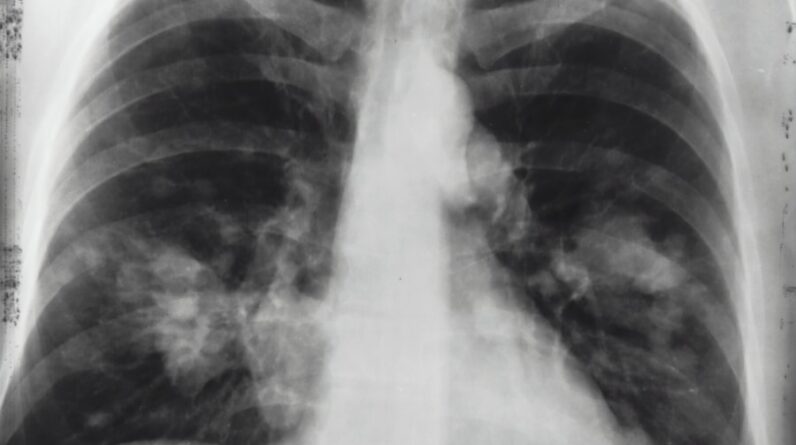
Mesothelioma is a rare and aggressive form of cancer that primarily affects the lining of the lungs, abdomen, or heart. It is most commonly associated with asbestos exposure, a material that was widely used in construction and manufacturing until its dangers became widely recognized. If you or someone you know has been diagnosed with mesothelioma, it is crucial to understand the implications of this disease, not only from a medical standpoint but also in terms of legal rights and potential compensation.
The emotional and financial toll of a mesothelioma diagnosis can be overwhelming, making it essential to navigate the complexities of the legal landscape effectively. The symptoms of mesothelioma often do not appear until decades after exposure to asbestos, which can complicate diagnosis and treatment. Common symptoms include persistent cough, chest pain, and difficulty breathing for pleural mesothelioma, while abdominal pain and swelling are more typical for peritoneal mesothelioma.
Understanding the nature of this disease is vital for patients and their families as they seek appropriate medical care and consider their legal options. The journey through treatment and recovery can be daunting, but knowing your rights can empower you to take action.
Key Takeaways
- Mesothelioma is a rare and aggressive cancer caused by asbestos exposure, with three main types: pleural, peritoneal, and pericardial.
- Legal process for pleural mesothelioma patients involves filing a lawsuit against the companies responsible for asbestos exposure and seeking compensation for medical expenses and pain and suffering.
- Peritoneal mesothelioma patients can also pursue legal action against asbestos manufacturers and may be eligible for compensation through settlements or trial verdicts.
- Pericardial mesothelioma patients face similar legal challenges in proving asbestos exposure and seeking compensation for their diagnosis and related expenses.
- The legal process for mesothelioma patients varies based on diagnosis, with each type of mesothelioma requiring specific evidence and legal strategies for pursuing compensation.
Legal Process for Pleural Mesothelioma Patients
For patients diagnosed with pleural mesothelioma, the legal process often begins with identifying potential sources of asbestos exposure. This may involve gathering medical records, employment history, and any documentation related to asbestos exposure. You may need to consult with legal professionals who specialize in mesothelioma cases to help you navigate this intricate process.
They can assist you in determining whether you have a viable claim against manufacturers or employers who may have exposed you to asbestos. Once you have established a potential claim, your attorney will guide you through the process of filing a lawsuit or pursuing a settlement. This may involve extensive research and preparation, including gathering evidence and witness testimonies.
The legal process can be lengthy, but it is essential to remain patient and persistent. Your attorney will work diligently to ensure that your case is presented effectively, maximizing your chances of receiving compensation for medical expenses, lost wages, and pain and suffering.
Legal Process for Peritoneal Mesothelioma Patients

The legal process for patients diagnosed with peritoneal mesothelioma shares similarities with that of pleural mesothelioma but also has its unique aspects. As with pleural mesothelioma, the first step involves identifying potential sources of asbestos exposure. This may require a thorough investigation into your work history and any products you may have used that contained asbestos.
Engaging with a knowledgeable attorney who understands the nuances of peritoneal mesothelioma cases is crucial in this stage. Once you have established a potential claim, your attorney will help you navigate the legal landscape specific to peritoneal mesothelioma. This may include filing a lawsuit against manufacturers or employers responsible for your exposure.
The legal process can be complex, often requiring expert testimony to establish a direct link between your illness and asbestos exposure. Your attorney will work tirelessly to build a strong case on your behalf, ensuring that all necessary documentation is in order and that your rights are protected throughout the process.
Legal Process for Pericardial Mesothelioma Patients
Pericardial mesothelioma is one of the rarest forms of this cancer, affecting the lining around the heart. The legal process for patients diagnosed with this condition can be particularly challenging due to its rarity and the complexities involved in proving causation. As with other types of mesothelioma, the first step is to identify potential sources of asbestos exposure.
This may involve delving into your medical history and employment records to uncover any links to asbestos. Once you have identified potential sources of exposure, working with an experienced attorney becomes even more critical. Given the unique challenges associated with pericardial mesothelioma, your attorney will need to gather substantial evidence to support your claim.
This may include expert testimonies from medical professionals who can attest to the connection between your illness and asbestos exposure. The legal process can be lengthy and arduous, but having a dedicated legal team by your side can make a significant difference in navigating these challenges.
Differences in Legal Process Based on Diagnosis
While the legal processes for pleural, peritoneal, and pericardial mesothelioma share some common elements, there are notable differences based on the specific diagnosis. For instance, pleural mesothelioma cases are more prevalent and have more established legal precedents compared to peritoneal and pericardial cases. This means that there may be more resources available for patients with pleural mesothelioma, including support groups and legal precedents that can strengthen their claims.
In contrast, patients with peritoneal or pericardial mesothelioma may face additional hurdles due to the rarity of their conditions. The legal landscape for these patients may not be as well-defined, making it essential to work with attorneys who have experience in handling these specific types of cases. Understanding these differences can help you tailor your approach when seeking legal remedies and ensure that you receive the support necessary for your unique situation.
Challenges in Legal Process for Mesothelioma Patients

Navigating the legal process as a mesothelioma patient can present numerous challenges. One significant hurdle is the time-sensitive nature of filing claims. Many jurisdictions have statutes of limitations that dictate how long you have to file a lawsuit after being diagnosed with mesothelioma.
Delaying action can result in losing your right to seek compensation altogether. Therefore, it is crucial to act promptly and consult with an attorney as soon as possible after diagnosis. Another challenge lies in proving causation between asbestos exposure and your specific diagnosis.
Given that mesothelioma often develops decades after exposure, establishing a direct link can be complicated. You may need to provide extensive documentation and expert testimony to support your claim. Additionally, some defendants may attempt to dispute liability or minimize their responsibility, further complicating the legal process.
Having an experienced attorney who understands these challenges can significantly improve your chances of success.
Compensation and Legal Remedies for Mesothelioma Patients
Compensation for mesothelioma patients can come in various forms, including settlements, jury awards, or trust fund claims. If you successfully prove your case, you may be entitled to compensation for medical expenses, lost wages, pain and suffering, and other damages related to your diagnosis. The amount of compensation can vary widely based on factors such as the severity of your illness, the extent of your exposure to asbestos, and the specific circumstances surrounding your case.
In addition to traditional lawsuits, many companies responsible for asbestos exposure have established trust funds to compensate victims. These funds are designed to provide financial relief without the need for lengthy litigation processes. Your attorney can help you determine whether you qualify for compensation from these trust funds and guide you through the application process.
Understanding the various avenues for compensation is essential for ensuring that you receive the financial support necessary to manage your condition effectively.
Conclusion and Recommendations for Mesothelioma Patients
In conclusion, navigating the legal landscape as a mesothelioma patient can be complex and challenging but is essential for securing compensation and support during this difficult time. Whether you are dealing with pleural, peritoneal, or pericardial mesothelioma, understanding your rights and options is crucial. It is highly recommended that you consult with an experienced attorney who specializes in mesothelioma cases as soon as possible after diagnosis.
Taking prompt action can significantly impact your ability to seek compensation and hold responsible parties accountable for their actions. Remember that you are not alone in this journey; there are resources available to help you navigate both the medical and legal aspects of your diagnosis. By staying informed and proactive, you can take control of your situation and work towards securing the support you need during this challenging time.
FAQs
What is mesothelioma?
Mesothelioma is a rare and aggressive form of cancer that develops in the thin layer of tissue that covers the internal organs, known as the mesothelium. It is most commonly caused by exposure to asbestos.
What are the different types of mesothelioma?
The main types of mesothelioma are pleural mesothelioma, which affects the lining of the lungs, and peritoneal mesothelioma, which affects the lining of the abdomen. There are also less common types such as pericardial mesothelioma, which affects the lining of the heart, and testicular mesothelioma, which affects the lining of the testicles.
How does the legal process differ for individuals diagnosed with different types of mesothelioma?
The legal process for individuals diagnosed with different types of mesothelioma may differ based on factors such as the specific circumstances of asbestos exposure, the location of the exposure, and the laws and regulations in the jurisdiction where the legal action is being pursued. Additionally, the medical and financial impacts of different types of mesothelioma may also influence the legal process.
What are the common legal options for individuals diagnosed with mesothelioma?
Common legal options for individuals diagnosed with mesothelioma include filing a personal injury lawsuit, filing a wrongful death lawsuit on behalf of a deceased loved one, or seeking compensation through asbestos trust funds set up by bankrupt asbestos companies.
What should individuals diagnosed with mesothelioma do if they are considering legal action?
Individuals diagnosed with mesothelioma who are considering legal action should seek the advice of an experienced mesothelioma attorney who can provide guidance on their legal options and help them navigate the complex legal process. It is important to act quickly, as there are time limits for filing a lawsuit, known as statutes of limitations, which vary by state.