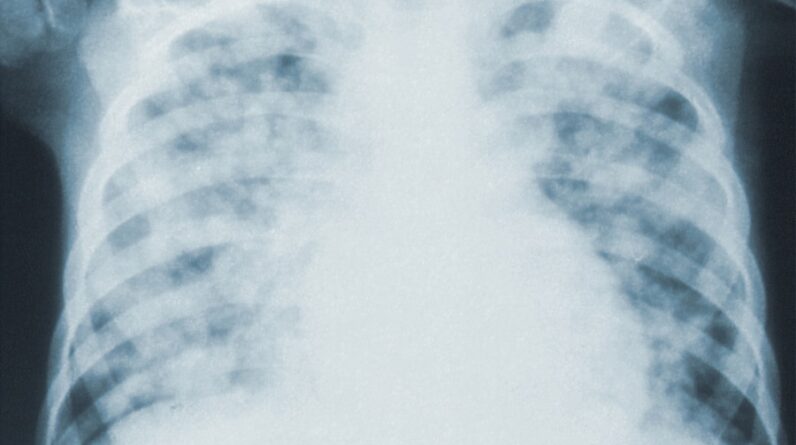
Mesothelioma is a rare and aggressive form of cancer that primarily affects the lining of the lungs, abdomen, or heart. It is most commonly associated with asbestos exposure, a material that was widely used in construction and manufacturing until its dangers became widely recognized. If you or someone you know has been diagnosed with mesothelioma, it’s crucial to understand the nature of this disease.
The cancer develops from mesothelial cells, which are responsible for producing the lubricating fluid that allows organs to move smoothly against one another. When asbestos fibers are inhaled or ingested, they can become lodged in these tissues, leading to inflammation and eventually cancer. The symptoms of mesothelioma often do not appear until decades after exposure to asbestos, making early diagnosis challenging.
Common symptoms include persistent cough, chest pain, shortness of breath, and unexplained weight loss. Because these symptoms can mimic other conditions, many patients may not receive a correct diagnosis until the disease has progressed significantly. Understanding the signs and symptoms is vital for early detection and intervention, which can significantly impact treatment options and outcomes.
Key Takeaways
- Mesothelioma is a rare and aggressive cancer that affects the lining of the lungs, abdomen, or heart, and is primarily caused by exposure to asbestos.
- Prognosis for mesothelioma is influenced by factors such as the stage of the cancer, the patient’s overall health, and the type of mesothelioma.
- Treatment options for mesothelioma may include surgery, chemotherapy, radiation therapy, and emerging therapies such as immunotherapy and targeted therapy.
- Survival rates for mesothelioma vary depending on the stage of the cancer and the effectiveness of treatment, with early detection leading to better outcomes.
- The long-term outlook for mesothelioma patients is challenging, but ongoing research and clinical trials offer hope for improved treatments and outcomes in the future.
Factors Affecting Mesothelioma Prognosis
Several factors can influence the prognosis of mesothelioma patients, and understanding these can help you navigate the complexities of this disease. One of the most significant factors is the stage at which the cancer is diagnosed. Mesothelioma is typically classified into four stages, with stage one being localized and stage four indicating widespread metastasis.
The earlier the stage at diagnosis, the better the chances for effective treatment and improved survival rates. If you are aware of your stage, it can help you make informed decisions about your treatment options. Another critical factor is the type of mesothelioma you have.
There are three primary types: pleural mesothelioma (affecting the lungs), peritoneal mesothelioma (affecting the abdomen), and pericardial mesothelioma (affecting the heart). Each type has different characteristics and treatment responses. Additionally, your overall health, age, and response to initial treatments can also play a role in determining your prognosis.
Engaging in open discussions with your healthcare team about these factors can provide clarity and help you set realistic expectations for your journey ahead.
Treatment Options for Mesothelioma
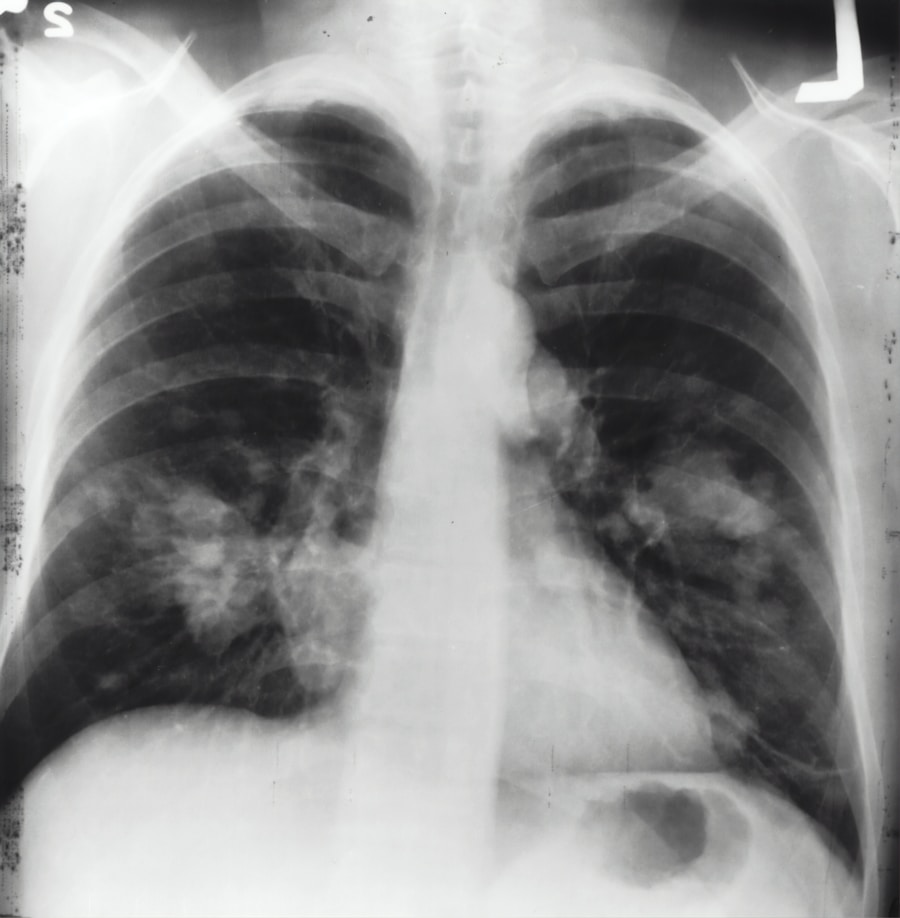
When it comes to treating mesothelioma, a multi-faceted approach is often necessary. The primary treatment options include surgery, chemotherapy, and radiation therapy. Surgery may involve removing the tumor or affected tissue, which can be curative in early-stage cases.
However, not all patients are candidates for surgery due to the location of the tumor or overall health status. If surgery is not an option, chemotherapy is typically employed to shrink tumors and manage symptoms. This treatment uses powerful drugs to target cancer cells but can also affect healthy cells, leading to side effects.
Radiation therapy may be used in conjunction with other treatments to target specific areas where cancer cells are present. It can help alleviate symptoms such as pain or difficulty breathing. Emerging treatments like immunotherapy and targeted therapy are also being explored in clinical trials, offering hope for more effective options in the future.
As you consider your treatment plan, it’s essential to discuss all available options with your healthcare provider to determine what may work best for your specific situation.
Survival Rates for Mesothelioma
Survival rates for mesothelioma can vary significantly based on several factors, including the type of mesothelioma, stage at diagnosis, and overall health of the patient. Generally speaking, the prognosis for mesothelioma is not as favorable as for some other cancers; however, statistics can provide a general framework for understanding what to expect. The five-year survival rate for pleural mesothelioma is approximately 10%, while peritoneal mesothelioma may have slightly better outcomes due to its different biological behavior.
It’s important to remember that survival rates are based on data from large groups of patients and cannot predict individual outcomes. Many patients live longer than expected due to advancements in treatment options and personalized care plans. Engaging with support groups or connecting with other patients can provide valuable insights into real-life experiences that statistics alone cannot convey.
Long-Term Outlook for Mesothelioma Patients
The long-term outlook for mesothelioma patients can be complex and varies widely from person to person. While many patients face significant challenges due to the aggressive nature of this cancer, advancements in treatment options have led to improved quality of life for some individuals. Factors such as early detection, access to specialized care, and participation in clinical trials can all contribute positively to long-term outcomes.
As you navigate this journey, it’s essential to focus on maintaining a healthy lifestyle that includes proper nutrition, exercise when possible, and emotional support from friends and family. Engaging in open communication with your healthcare team about your concerns and preferences can also empower you to take an active role in your care plan. While the road ahead may be uncertain, fostering resilience and hope can make a significant difference in your overall experience.
Promising Research and Clinical Trials for Mesothelioma

New Treatment Approaches
These trials often focus on innovative therapies such as immunotherapy, which harnesses the body’s immune system to fight cancer cells more effectively. Other studies are investigating targeted therapies that aim to attack specific genetic mutations within cancer cells, potentially leading to more personalized treatment approaches.
Access to Cutting-Edge Treatments
Participating in clinical trials can offer access to cutting-edge treatments that are not yet widely available. If you are considering this option, discussing it with your healthcare provider can help you understand the potential benefits and risks involved.
Staying Informed
Staying informed about new research developments can also empower you to make educated decisions regarding your treatment options.
Support and Resources for Mesothelioma Patients and Their Families
Navigating a mesothelioma diagnosis can be overwhelming not only for patients but also for their families. Accessing support resources is crucial in managing the emotional and practical challenges that arise during this journey. Numerous organizations provide valuable information about mesothelioma, including support groups where patients and families can share experiences and coping strategies.
In addition to emotional support, practical resources such as financial assistance programs may be available to help cover medical expenses or transportation costs related to treatment. Connecting with local or national advocacy groups can also provide access to educational materials that empower you with knowledge about your condition. Remember that you are not alone; reaching out for help can make a significant difference in your experience.
The Reality of Mesothelioma Fatality
The reality of mesothelioma is undeniably sobering; it is a disease that carries a high mortality rate and presents numerous challenges for those affected by it. However, understanding the disease’s nature, exploring treatment options, and engaging with support resources can provide a sense of agency during an otherwise daunting experience. While statistics may paint a grim picture, individual stories often reveal resilience and hope that defy expectations.
As you navigate this journey, remember that advancements in research continue to emerge, offering new possibilities for treatment and improved quality of life. Embracing a proactive approach—whether through seeking out clinical trials or connecting with support networks—can empower you to face this challenge head-on. Ultimately, while mesothelioma presents significant hurdles, it is essential to focus on living fully in each moment while advocating for yourself or your loved one throughout this journey.
FAQs
What is Mesothelioma?
Mesothelioma is a type of cancer that affects the mesothelium, a thin layer of tissue that covers the internal organs. It is most commonly associated with exposure to asbestos.
Is Mesothelioma 100% Fatal?
Mesothelioma has a poor prognosis, but it is not always 100% fatal. The survival rate and prognosis depend on various factors such as the stage of the cancer, the patient’s overall health, and the type of mesothelioma.
What are the Survival Rates for Mesothelioma?
The survival rates for mesothelioma vary depending on the stage at which it is diagnosed. The 5-year survival rate for mesothelioma is generally low, but with advancements in treatment options, some patients have experienced longer survival times.
What are the Treatment Options for Mesothelioma?
Treatment options for mesothelioma may include surgery, chemotherapy, radiation therapy, and immunotherapy. The specific treatment plan will depend on the individual patient’s condition and the stage of the cancer.
Can Mesothelioma be Prevented?
Mesothelioma is primarily caused by exposure to asbestos, so preventing exposure to asbestos is the most effective way to prevent mesothelioma. This can be achieved through proper safety measures in workplaces and the removal of asbestos from older buildings.