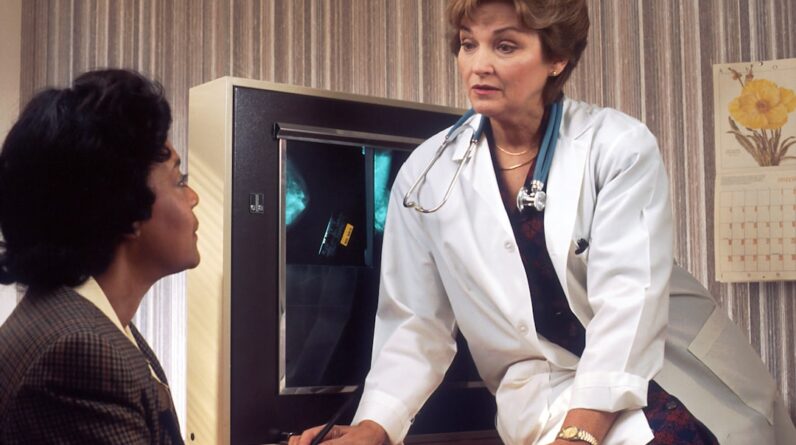
Mesothelioma is a rare and aggressive form of cancer that primarily affects the lining of the lungs, abdomen, or heart. This disease is notorious for its long latency period, often taking decades to manifest after initial exposure to harmful substances. As you delve into the complexities of mesothelioma, you will discover that it is not just a medical condition but a multifaceted issue that intertwines with various aspects of life, including emotional, financial, and social dimensions.
The symptoms of mesothelioma can be vague and easily mistaken for other illnesses, which often leads to delayed diagnosis and treatment. Common symptoms include persistent cough, chest pain, shortness of breath, and unexplained weight loss. Understanding mesothelioma also involves recognizing its different types, which include pleural mesothelioma, peritoneal mesothelioma, and pericardial mesothelioma.
Each type is associated with specific symptoms and treatment options. As you explore this disease further, you will find that the prognosis can vary significantly based on factors such as the stage at which the cancer is diagnosed, the patient’s overall health, and the specific type of mesothelioma. The journey through diagnosis and treatment can be overwhelming, but gaining knowledge about the disease is a crucial first step in navigating the challenges it presents.
Key Takeaways
- Mesothelioma is a rare and aggressive cancer that affects the lining of the lungs, abdomen, or heart.
- Asbestos exposure is the primary cause of mesothelioma, with the risk increasing with the duration and intensity of exposure.
- Smoking does not directly cause mesothelioma, but it can increase the risk and worsen the prognosis for those already diagnosed.
- Research suggests that smoking may interact with asbestos exposure to increase the risk of developing mesothelioma.
- Smoking cessation can improve the effectiveness of mesothelioma treatment and overall prognosis for patients.
The Link Between Mesothelioma and Asbestos Exposure
The connection between mesothelioma and asbestos exposure is well-documented and serves as a critical focal point in understanding this disease. Asbestos is a naturally occurring mineral that was widely used in construction and manufacturing due to its heat-resistant properties. Unfortunately, inhaling or ingesting asbestos fibers can lead to serious health issues, including mesothelioma.
If you have worked in industries such as construction, shipbuilding, or manufacturing prior to the 1980s, you may have been exposed to asbestos without even realizing it. The latency period of mesothelioma can span anywhere from 20 to 50 years after exposure, making it challenging to establish a direct link between asbestos exposure and the onset of the disease. This long delay often complicates legal claims and medical treatment options for those affected.
As you learn more about this connection, it becomes evident that awareness and education about asbestos exposure are vital in preventing future cases of mesothelioma. Efforts to ban asbestos use and implement stricter regulations have gained momentum over the years, but the legacy of asbestos continues to impact many lives today.
The Role of Smoking in Mesothelioma
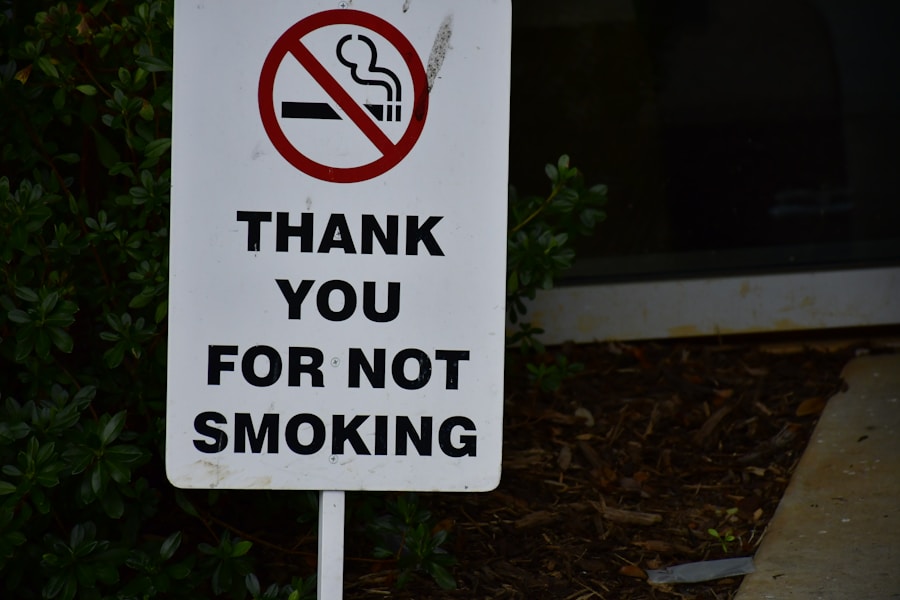
While smoking is widely recognized as a leading cause of various cancers, its relationship with mesothelioma is less straightforward. You may be surprised to learn that smoking does not directly cause mesothelioma; however, it can significantly exacerbate the risks associated with asbestos exposure. If you have been exposed to asbestos and are also a smoker, your chances of developing mesothelioma increase dramatically compared to non-smokers who have been exposed to the same carcinogen.
This synergistic effect highlights the importance of understanding how lifestyle choices can influence health outcomes. The interaction between smoking and asbestos exposure creates a complex scenario for individuals at risk. If you are a smoker who has worked in an environment where asbestos was present, it is crucial to recognize that your health is at an elevated risk level.
The combination of these two factors can lead to more aggressive forms of mesothelioma and poorer overall prognosis. As you consider your own health or that of a loved one, it’s essential to acknowledge this relationship and take proactive steps toward reducing risk factors.
Research on Smoking and Mesothelioma
Research into the relationship between smoking and mesothelioma has evolved over the years, revealing important insights into how these two factors interact. Studies have shown that while smoking alone is a significant risk factor for lung cancer, its role in mesothelioma is more nuanced. If you are interested in the scientific aspects of this relationship, you will find that many researchers focus on understanding how smoking can influence the biological mechanisms underlying mesothelioma development.
Recent studies indicate that smoking may not only increase the likelihood of developing mesothelioma but also affect the disease’s progression once diagnosed. For instance, if you are a smoker diagnosed with mesothelioma, research suggests that your response to treatment may be less favorable compared to non-smokers. This information underscores the importance of ongoing research in this area, as it can lead to more tailored treatment approaches for patients with a history of smoking.
The Impact of Smoking on Mesothelioma Prognosis
The prognosis for mesothelioma patients can vary widely based on several factors, including stage at diagnosis, overall health, and lifestyle choices such as smoking. If you or someone you know has been diagnosed with mesothelioma and has a history of smoking, it’s essential to understand how this habit can impact outcomes. Studies have shown that smokers tend to have a poorer prognosis than non-smokers due to the combined effects of asbestos exposure and tobacco use on lung function and overall health.
Moreover, smoking can complicate treatment options for mesothelioma patients. If you are undergoing treatment such as chemotherapy or radiation therapy, being a smoker may hinder your body’s ability to recover effectively. This can lead to increased side effects and decreased effectiveness of treatments.
Understanding these implications can empower you or your loved ones to make informed decisions about lifestyle changes that may improve health outcomes.
Smoking Cessation and Mesothelioma Treatment

Quitting smoking is one of the most impactful steps you can take if you are facing a diagnosis of mesothelioma or have been exposed to asbestos. Smoking cessation not only improves overall health but can also enhance treatment outcomes for those battling this aggressive cancer. If you are considering quitting smoking, various resources are available to support you in this journey.
From counseling services to nicotine replacement therapies, there are numerous strategies that can help you successfully quit. Research indicates that patients who quit smoking before or during their treatment for mesothelioma often experience better responses to therapy and improved quality of life. If you are navigating this challenging path, seeking support from healthcare professionals can provide valuable guidance tailored to your specific situation.
Embracing a smoke-free lifestyle may not only benefit your prognosis but also contribute positively to your emotional well-being during treatment.
Legal and Financial Implications of Mesothelioma and Smoking
The legal landscape surrounding mesothelioma cases is complex, particularly when considering factors like asbestos exposure and smoking history. If you or a loved one has been diagnosed with mesothelioma due to occupational exposure to asbestos, understanding your legal rights is crucial. Many individuals pursue compensation through lawsuits against companies responsible for exposing workers to asbestos without proper safety measures.
However, if you are a smoker with a history of asbestos exposure, it’s important to recognize how your smoking status may influence legal claims. Insurance companies and legal representatives may scrutinize lifestyle choices when determining compensation amounts or liability issues. Being informed about these implications can help you navigate the legal process more effectively and ensure that you receive the support you deserve.
Supporting Mesothelioma Patients and Families
Supporting someone diagnosed with mesothelioma requires compassion, understanding, and practical assistance. If you are close to someone facing this battle, your role can be invaluable in providing emotional support during an incredibly challenging time. Listening without judgment and offering encouragement can make a significant difference in their journey through diagnosis and treatment.
Additionally, practical support such as helping with daily tasks or accompanying them to medical appointments can alleviate some burdens they may face. It’s essential to educate yourself about mesothelioma so that you can engage in informed conversations about their condition and treatment options. By being present and proactive in your support efforts, you can help create a network of care that empowers them during their fight against this formidable disease.
In conclusion, understanding mesothelioma involves recognizing its complexities—from its link with asbestos exposure to the impact of smoking on prognosis and treatment outcomes. By educating yourself about these factors and supporting those affected by this disease, you play an essential role in fostering awareness and compassion in the face of adversity.
FAQs
What is mesothelioma?
Mesothelioma is a rare and aggressive form of cancer that develops in the thin layer of tissue that covers the majority of your internal organs (mesothelium). It is most commonly caused by exposure to asbestos.
Is mesothelioma caused by smoking?
No, mesothelioma is not caused by smoking. The primary cause of mesothelioma is exposure to asbestos, a naturally occurring mineral that was commonly used in construction and other industries before its health risks were widely known.
Can smoking increase the risk of developing mesothelioma?
While smoking does not directly cause mesothelioma, it can increase the risk of developing the disease in individuals who have been exposed to asbestos. Smoking weakens the lungs and can make them more susceptible to the harmful effects of asbestos fibers.
What are the symptoms of mesothelioma?
The symptoms of mesothelioma can vary depending on the type of mesothelioma, but common symptoms include chest pain, shortness of breath, fatigue, and unexplained weight loss. It is important to see a doctor if you experience any of these symptoms, especially if you have a history of asbestos exposure.
How is mesothelioma diagnosed and treated?
Mesothelioma is typically diagnosed through imaging tests, biopsies, and other diagnostic procedures. Treatment options for mesothelioma may include surgery, chemotherapy, radiation therapy, and other targeted therapies. The best course of treatment will depend on the individual’s specific circumstances and the stage of the disease.