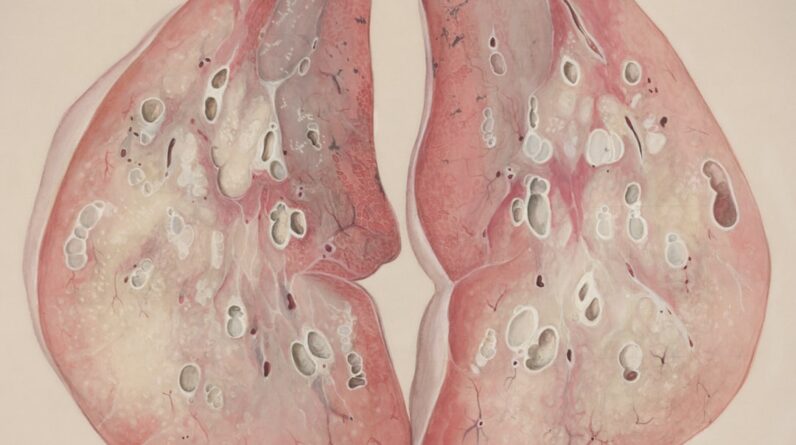
Pulmonary adenocarcinoma is a subtype of non-small cell lung cancer (NSCLC) that originates in the glandular cells of the lungs. This form of cancer has gained prominence in recent years, particularly due to its increasing incidence among non-smokers and its association with various environmental factors. As you delve into the complexities of pulmonary adenocarcinoma, you will discover that it is not merely a singular disease but rather a spectrum of conditions that can vary significantly in their presentation and behavior.
Understanding this disease is crucial, as it can lead to better diagnostic and therapeutic strategies. The rise in pulmonary adenocarcinoma cases has been linked to several factors, including changes in smoking patterns and the influence of environmental pollutants. Unlike squamous cell carcinoma, which is often associated with smoking, adenocarcinoma has been observed more frequently in individuals who have never smoked.
This shift has prompted researchers and healthcare professionals to explore the underlying mechanisms that contribute to the development of this malignancy. As you navigate through the intricacies of pulmonary adenocarcinoma, you will encounter various aspects, including its pathological features, grading and staging, and treatment options, all of which play a vital role in managing this disease effectively.
Key Takeaways
- Pulmonary adenocarcinoma is the most common type of lung cancer, accounting for about 40% of cases.
- Pathological features of pulmonary adenocarcinoma include glandular or acinar patterns, mucin production, and lepidic growth.
- Grading and staging of pulmonary adenocarcinoma are important for determining the aggressiveness and extent of the cancer.
- Immunohistochemical markers such as TTF-1, Napsin A, and CK7 are commonly used to diagnose pulmonary adenocarcinoma.
- The differential diagnosis of pulmonary adenocarcinoma includes other types of lung cancer, metastatic tumors, and benign lung conditions.
Pathological Features of Pulmonary Adenocarcinoma
The pathological features of pulmonary adenocarcinoma are diverse and can provide critical insights into the diagnosis and prognosis of the disease. Histologically, adenocarcinoma is characterized by the presence of glandular structures and mucin production. When you examine tissue samples under a microscope, you may notice varying degrees of differentiation, which can range from well-differentiated tumors with distinct gland formation to poorly differentiated tumors that appear more chaotic and disorganized.
This variability in histological appearance is significant, as it can influence treatment decisions and outcomes. In addition to histological characteristics, the presence of specific cellular features can also aid in the diagnosis of pulmonary adenocarcinoma. For instance, the identification of atypical cells with enlarged nuclei and prominent nucleoli can be indicative of malignancy.
Furthermore, the tumor microenvironment plays a crucial role in the behavior of adenocarcinoma. The stroma surrounding the tumor can influence its growth and metastasis, making it essential to consider both the tumor cells and their microenvironment when assessing pulmonary adenocarcinoma. As you explore these pathological features, you will gain a deeper understanding of how they contribute to the overall clinical picture of this disease.
Grading and Staging of Pulmonary Adenocarcinoma
Grading and staging are fundamental components in the management of pulmonary adenocarcinoma, as they provide essential information regarding the tumor’s aggressiveness and extent of spread. The grading system typically categorizes tumors based on their histological differentiation. Well-differentiated tumors tend to have a better prognosis compared to poorly differentiated ones.
As you familiarize yourself with these grading systems, you will recognize that they are not merely academic exercises; they have real implications for treatment strategies and patient outcomes. Staging, on the other hand, assesses the extent of disease spread within the body. The most widely used system for staging lung cancer is the TNM classification, which evaluates tumor size (T), lymph node involvement (N), and distant metastasis (M).
Understanding the stage of pulmonary adenocarcinoma is crucial for determining appropriate treatment options. For instance, early-stage tumors may be amenable to surgical resection, while advanced-stage disease may require systemic therapies such as chemotherapy or targeted treatments. As you delve deeper into grading and staging, you will appreciate how these elements work together to guide clinical decision-making and improve patient care.
Immunohistochemical Markers for Pulmonary Adenocarcinoma
Immunohistochemical markers play a pivotal role in the diagnosis and characterization of pulmonary adenocarcinoma. These markers are proteins expressed by tumor cells that can be detected using specific antibodies in tissue samples. By employing immunohistochemistry, pathologists can differentiate adenocarcinoma from other types of lung cancer and even identify specific subtypes within adenocarcinoma itself.
For example, markers such as TTF-1 (thyroid transcription factor-1) and Napsin A are commonly used to confirm a diagnosis of pulmonary adenocarcinoma. In addition to aiding in diagnosis, immunohistochemical markers can also provide valuable prognostic information. Certain markers may be associated with more aggressive disease or resistance to specific therapies.
As you explore this area further, you will find that ongoing research continues to identify new markers that could enhance our understanding of pulmonary adenocarcinoma’s biology and improve patient stratification for targeted therapies. The integration of immunohistochemical analysis into routine practice represents a significant advancement in the management of this complex disease.
Differential Diagnosis of Pulmonary Adenocarcinoma
Differential diagnosis is a critical aspect when evaluating suspected cases of pulmonary adenocarcinoma. Given the overlapping features with other lung cancers and benign conditions, it is essential to employ a systematic approach to arrive at an accurate diagnosis. Conditions such as squamous cell carcinoma, large cell carcinoma, and even metastatic disease from other primary sites can mimic adenocarcinoma histologically.
As you engage with this topic, you will learn about various diagnostic tools and techniques that can help distinguish pulmonary adenocarcinoma from its mimickers. One key aspect of differential diagnosis involves careful examination of histological features alongside clinical information. For instance, squamous cell carcinoma typically arises in smokers and exhibits keratinization, while adenocarcinoma may present with glandular structures regardless of smoking history.
Additionally, molecular profiling can aid in differentiating between subtypes and identifying specific mutations that may guide treatment decisions. As you navigate through these diagnostic challenges, you will gain insights into how a comprehensive approach combining clinical data, histopathology, and molecular analysis can lead to more accurate diagnoses and improved patient outcomes.
Molecular Pathology of Pulmonary Adenocarcinoma
The molecular pathology of pulmonary adenocarcinoma has emerged as a fascinating area of research that holds promise for personalized medicine approaches. Various genetic mutations have been identified in this subtype of lung cancer, with some being more prevalent than others. For instance, mutations in the EGFR (epidermal growth factor receptor) gene are commonly found in adenocarcinomas, particularly among non-smokers.
Understanding these molecular alterations is crucial for developing targeted therapies that can improve treatment efficacy. In addition to EGFR mutations, other genetic alterations such as ALK (anaplastic lymphoma kinase) rearrangements and KRAS mutations have also been implicated in pulmonary adenocarcinoma. These molecular changes not only provide insights into tumor biology but also serve as potential therapeutic targets.
As you explore this field further, you will discover how advancements in molecular diagnostics have paved the way for targeted therapies that specifically address these genetic alterations. The integration of molecular pathology into clinical practice represents a significant shift towards more personalized treatment strategies for patients with pulmonary adenocarcinoma.
Prognostic Factors for Pulmonary Adenocarcinoma
Prognostic factors play a vital role in determining the likely course and outcome of pulmonary adenocarcinoma. Several variables can influence prognosis, including tumor stage at diagnosis, histological grade, and specific molecular markers. As you delve into this topic, you will find that understanding these factors is essential for guiding treatment decisions and providing patients with realistic expectations regarding their disease.
For instance, early-stage tumors that are localized tend to have a better prognosis compared to those that have metastasized to distant sites or involved lymph nodes. Additionally, well-differentiated tumors generally indicate a more favorable outcome than poorly differentiated ones. Molecular markers such as EGFR mutations or ALK rearrangements can also provide prognostic information; patients with these alterations may respond better to targeted therapies compared to those without them.
By considering these prognostic factors collectively, healthcare providers can tailor treatment plans that align with individual patient needs and improve overall outcomes.
Treatment Options for Pulmonary Adenocarcinoma
The treatment landscape for pulmonary adenocarcinoma has evolved significantly over recent years, offering patients a range of options tailored to their specific disease characteristics. Surgical resection remains a cornerstone for early-stage disease when feasible; however, not all patients are candidates for surgery due to various factors such as tumor location or overall health status. For those with localized tumors who are eligible for surgery, complete resection can lead to favorable outcomes.
For advanced-stage pulmonary adenocarcinoma or cases where surgery is not an option, systemic therapies become paramount. Chemotherapy has traditionally been used as a standard treatment; however, targeted therapies have revolutionized the approach to managing this disease. Agents targeting specific genetic mutations such as EGFR inhibitors or ALK inhibitors have shown remarkable efficacy in subsets of patients with these alterations.
Additionally, immunotherapy has emerged as a promising avenue for treatment, harnessing the body’s immune system to combat cancer cells effectively. As you explore these treatment options further, you will appreciate how ongoing research continues to refine therapeutic strategies for pulmonary adenocarcinoma. Clinical trials are constantly investigating new agents and combinations that could enhance treatment efficacy while minimizing side effects.
The future holds great promise for improving outcomes for patients diagnosed with this complex disease through innovative approaches tailored to individual tumor characteristics and patient needs.
FAQs
What is pulmonary adenocarcinoma?
Pulmonary adenocarcinoma is a type of lung cancer that originates in the cells that line the air sacs in the lungs. It is the most common type of lung cancer, particularly in non-smokers and women.
What are the risk factors for developing pulmonary adenocarcinoma?
Risk factors for developing pulmonary adenocarcinoma include smoking, exposure to secondhand smoke, exposure to radon gas, exposure to asbestos and other carcinogens, a family history of lung cancer, and certain genetic mutations.
What are the symptoms of pulmonary adenocarcinoma?
Symptoms of pulmonary adenocarcinoma may include a persistent cough, coughing up blood, chest pain, shortness of breath, hoarseness, unexplained weight loss, and fatigue.
How is pulmonary adenocarcinoma diagnosed?
Pulmonary adenocarcinoma is typically diagnosed through imaging tests such as chest X-rays and CT scans, as well as through biopsy to examine the lung tissue for cancer cells.
What is the treatment for pulmonary adenocarcinoma?
Treatment for pulmonary adenocarcinoma may include surgery to remove the tumor, chemotherapy, radiation therapy, targeted therapy, and immunotherapy. The specific treatment plan will depend on the stage and characteristics of the cancer.