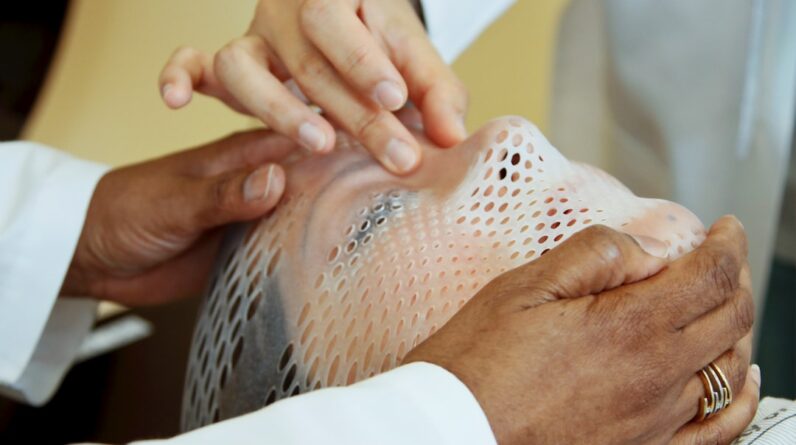
Squamous carcinoma lung cancer, also known as squamous cell carcinoma of the lung, is a type of non-small cell lung cancer (NSCLC) that originates in the squamous cells lining the airways. These cells are flat and thin, resembling fish scales, and are found in various parts of the body, including the lungs. This form of lung cancer is particularly associated with smoking, and it often develops in the central part of the lungs, near the bronchi.
As you delve deeper into this condition, you will discover that it accounts for approximately 25% to 30% of all lung cancer cases, making it a significant concern in oncology. Understanding squamous carcinoma lung cancer involves recognizing its distinct characteristics and behavior. Unlike other types of lung cancer, such as adenocarcinoma, squamous cell carcinoma tends to grow more slowly but is often diagnosed at a more advanced stage due to its location and the subtlety of early symptoms.
The tumor’s growth can lead to obstruction of airways and subsequent complications, which can significantly impact your respiratory health. As you learn more about this disease, you will appreciate the importance of early detection and intervention in improving outcomes.
Key Takeaways
- Squamous carcinoma lung cancer is a type of non-small cell lung cancer that starts in the squamous cells lining the airways in the lungs.
- Smoking is the leading cause of squamous carcinoma lung cancer, but exposure to secondhand smoke and environmental toxins can also increase the risk.
- Symptoms of squamous carcinoma lung cancer may include coughing, chest pain, shortness of breath, and coughing up blood, and diagnosis is typically confirmed through imaging tests and biopsy.
- Treatment options for squamous carcinoma lung cancer may include surgery, chemotherapy, radiation therapy, targeted therapy, and immunotherapy, depending on the stage and individual factors.
- The prognosis and survival rates for squamous carcinoma lung cancer vary depending on the stage at diagnosis, overall health, and response to treatment, with early detection and prompt treatment leading to better outcomes.
Causes and Risk Factors for Squamous Carcinoma Lung Cancer:
The primary cause of squamous carcinoma lung cancer is tobacco use. If you are a smoker or have been exposed to secondhand smoke, your risk of developing this type of cancer increases dramatically. The carcinogens present in tobacco smoke damage the DNA in your lung cells, leading to mutations that can result in cancerous growths.
Even if you have quit smoking, your risk remains elevated for years after cessation, underscoring the long-term effects of tobacco exposure on lung health. In addition to smoking, several other risk factors contribute to the development of squamous carcinoma lung cancer. Occupational exposure to certain substances, such as asbestos, arsenic, and diesel exhaust, can increase your likelihood of developing this disease.
Furthermore, a history of lung diseases, such as chronic obstructive pulmonary disease (COPD) or pulmonary fibrosis, can also heighten your risk. Genetic predisposition plays a role as well; if you have a family history of lung cancer, you may be more susceptible to developing squamous cell carcinoma. Understanding these risk factors can empower you to make informed lifestyle choices and seek regular medical check-ups.
Symptoms and Diagnosis of Squamous Carcinoma Lung Cancer:

Recognizing the symptoms of squamous carcinoma lung cancer is crucial for early diagnosis and treatment. Common symptoms include a persistent cough that may produce blood-streaked sputum, chest pain that worsens with deep breathing or coughing, and unexplained weight loss. You may also experience shortness of breath or wheezing as the tumor obstructs airways or invades surrounding tissues.
These symptoms can often be mistaken for other respiratory conditions, which is why awareness is key. Diagnosis typically involves a combination of imaging tests and biopsies. If you present with symptoms suggestive of lung cancer, your healthcare provider may recommend a chest X-ray or a computed tomography (CT) scan to visualize any abnormalities in your lungs.
If a suspicious mass is detected, a biopsy will be necessary to confirm the presence of squamous cell carcinoma. This may involve a bronchoscopy, where a thin tube with a camera is inserted into your airways to collect tissue samples. Understanding the diagnostic process can help alleviate some anxiety as you navigate through potential testing.
Treatment Options for Squamous Carcinoma Lung Cancer:
When it comes to treating squamous carcinoma lung cancer, several options are available depending on the stage of the disease and your overall health. Surgery is often considered for early-stage tumors that have not spread beyond the lungs. If you are diagnosed at an early stage, your healthcare team may recommend a lobectomy or pneumonectomy to remove the affected portion of the lung or the entire lung itself.
This approach aims to eliminate cancerous cells while preserving as much healthy lung tissue as possible. For more advanced stages or when surgery is not feasible, other treatment modalities come into play. Chemotherapy and radiation therapy are commonly used either alone or in combination with surgery.
Chemotherapy employs powerful drugs to target and kill rapidly dividing cancer cells throughout your body, while radiation therapy uses high-energy beams to destroy localized tumors. Targeted therapies and immunotherapies are also emerging as promising options for certain patients based on specific genetic markers or immune system responses. Understanding these treatment avenues can help you engage in informed discussions with your healthcare provider about the best course of action for your situation.
Prognosis and Survival Rates for Squamous Carcinoma Lung Cancer:
The prognosis for squamous carcinoma lung cancer varies significantly based on several factors, including the stage at diagnosis, overall health, and response to treatment. Generally speaking, early-stage squamous cell carcinoma has a better prognosis than advanced-stage disease. If detected at stage I or II, the five-year survival rate can be as high as 60% to 70%.
However, once the cancer has metastasized to distant organs (stage IV), the survival rate drops considerably. It’s important to remember that statistics are just numbers; they cannot predict individual outcomes. Your unique circumstances—such as age, overall health, and how well you respond to treatment—play a crucial role in determining your prognosis.
Engaging in open conversations with your healthcare team about your specific situation can provide clarity and help set realistic expectations as you navigate through treatment options.
Prevention and Early Detection of Squamous Carcinoma Lung Cancer:
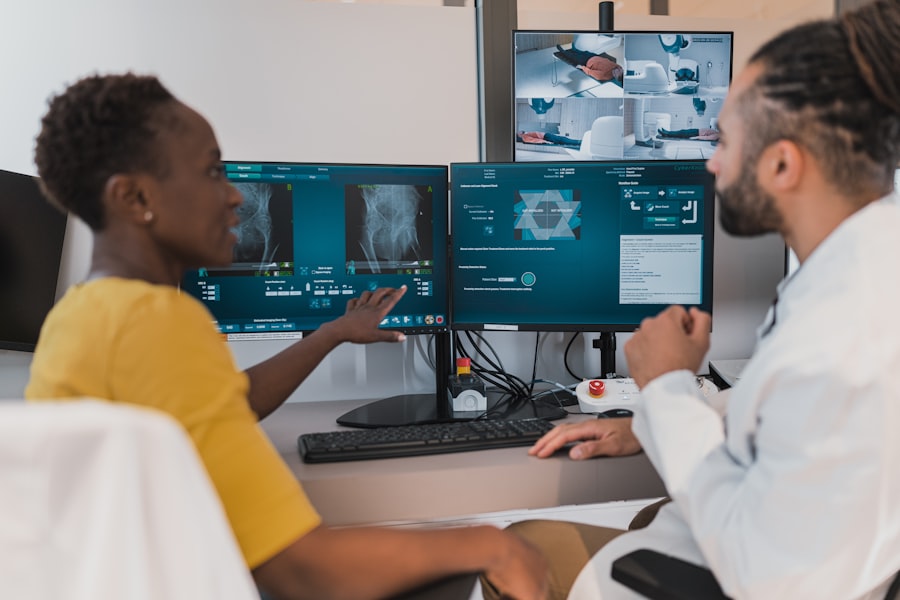
Preventing squamous carcinoma lung cancer largely revolves around lifestyle choices and early detection strategies. The most effective way to reduce your risk is to avoid tobacco in all forms—this includes smoking cigarettes, cigars, and even using e-cigarettes or vaping products. If you currently smoke, seeking support to quit can significantly lower your chances of developing lung cancer over time.
Regular screenings are also vital for early detection, especially if you fall into high-risk categories due to smoking history or occupational exposure. Low-dose computed tomography (LDCT) scans have been shown to reduce mortality rates among high-risk individuals by detecting lung cancers at earlier stages when they are more treatable. Staying proactive about your lung health by discussing screening options with your healthcare provider can empower you to take control of your well-being.
Living with Squamous Carcinoma Lung Cancer:
Living with squamous carcinoma lung cancer can be an overwhelming experience filled with emotional and physical challenges. You may find yourself grappling with feelings of fear, anxiety, or uncertainty about the future. It’s essential to acknowledge these feelings and seek support from friends, family, or professional counselors who can help you navigate this difficult journey.
In addition to emotional support, managing physical symptoms is crucial for maintaining quality of life. Engaging in light physical activity can help improve your overall well-being and combat fatigue often associated with cancer treatments. Nutrition also plays a vital role; focusing on a balanced diet rich in fruits, vegetables, whole grains, and lean proteins can bolster your immune system and aid recovery.
Connecting with support groups or organizations dedicated to lung cancer can provide valuable resources and foster a sense of community among those facing similar challenges.
Research and Advances in Squamous Carcinoma Lung Cancer Treatment:
The field of oncology is continually evolving, with ongoing research aimed at improving treatment options for squamous carcinoma lung cancer. Recent advances in targeted therapies have shown promise in treating patients whose tumors exhibit specific genetic mutations or alterations. These therapies work by targeting the unique characteristics of cancer cells while sparing healthy cells, potentially leading to fewer side effects compared to traditional chemotherapy.
Immunotherapy has also emerged as a groundbreaking approach in recent years. By harnessing the body’s immune system to recognize and attack cancer cells more effectively, immunotherapy has provided new hope for patients with advanced squamous cell carcinoma who may not have responded well to conventional treatments. Clinical trials are ongoing to explore new combinations of therapies and novel agents that could further enhance treatment efficacy.
As you navigate through this journey with squamous carcinoma lung cancer, staying informed about research developments can empower you to discuss potential clinical trial opportunities with your healthcare provider. The landscape of treatment options is continually changing, offering hope for improved outcomes and quality of life for those affected by this challenging disease.
FAQs
What is squamous carcinoma lung cancer?
Squamous carcinoma lung cancer is a type of non-small cell lung cancer that begins in the squamous cells, which are thin, flat cells that line the airways of the lungs.
What are the risk factors for squamous carcinoma lung cancer?
Risk factors for squamous carcinoma lung cancer include smoking, exposure to secondhand smoke, exposure to radon gas, exposure to asbestos and other carcinogens, and a family history of lung cancer.
What are the symptoms of squamous carcinoma lung cancer?
Symptoms of squamous carcinoma lung cancer may include a persistent cough, coughing up blood, chest pain, hoarseness, weight loss, and difficulty breathing.
How is squamous carcinoma lung cancer diagnosed?
Squamous carcinoma lung cancer is typically diagnosed through imaging tests such as chest X-rays and CT scans, as well as through biopsies to examine the lung tissue for cancer cells.
What are the treatment options for squamous carcinoma lung cancer?
Treatment options for squamous carcinoma lung cancer may include surgery, radiation therapy, chemotherapy, targeted therapy, and immunotherapy, depending on the stage and extent of the cancer.
What is the prognosis for squamous carcinoma lung cancer?
The prognosis for squamous carcinoma lung cancer varies depending on the stage at which it is diagnosed and the individual’s overall health, but early detection and treatment can improve outcomes.