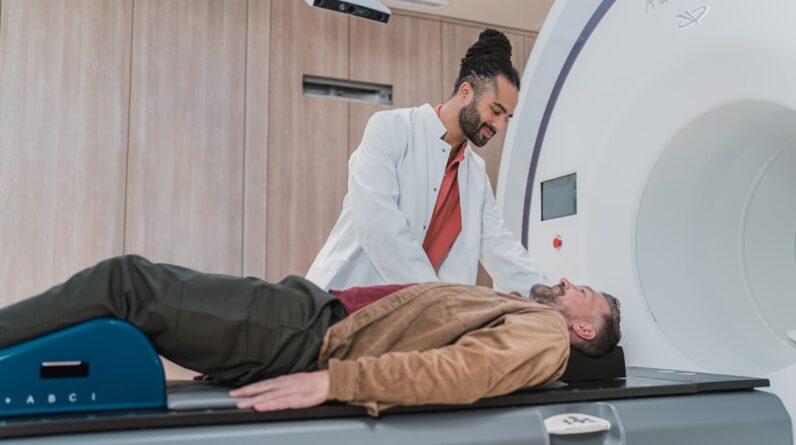
When you hear the term “Stage 4 Small Cell Carcinoma Lung Cancer,” it can evoke a range of emotions, from fear to confusion. This advanced form of lung cancer is characterized by its aggressive nature and rapid progression. Small cell lung cancer (SCLC) is distinct from non-small cell lung cancer (NSCLC) in that it tends to grow and spread more quickly.
By the time it reaches stage 4, the cancer has typically metastasized, meaning it has spread beyond the lungs to other parts of the body, such as the liver, brain, or bones. Understanding this stage is crucial for you as a patient or caregiver, as it sets the stage for treatment options and prognosis. In stage 4, the cancer cells are often widespread, making it more challenging to treat effectively.
The small cell carcinoma type is particularly notorious for its association with smoking, although non-smokers can also be affected. The rapid growth of these cancer cells can lead to significant health complications, which may require immediate medical attention. As you navigate this diagnosis, it’s essential to grasp the implications of stage 4 SCLC fully.
This understanding can empower you to make informed decisions about your treatment and care.
Key Takeaways
- Small cell carcinoma lung cancer is an aggressive form of lung cancer that spreads quickly and is often diagnosed at an advanced stage.
- Symptoms of stage 4 small cell carcinoma lung cancer may include coughing, chest pain, shortness of breath, and unexplained weight loss. Diagnosis is typically confirmed through imaging tests and biopsy.
- Treatment options for stage 4 small cell carcinoma lung cancer may include chemotherapy, radiation therapy, immunotherapy, and targeted therapy. Clinical trials may also be considered.
- The prognosis for stage 4 small cell carcinoma lung cancer is generally poor, with a low 5-year survival rate. However, advances in treatment and personalized medicine offer hope for some patients.
- Managing side effects and complications of stage 4 small cell carcinoma lung cancer treatment is crucial, and may involve supportive care, pain management, and addressing emotional and mental health needs.
Symptoms and Diagnosis of Stage 4 Small Cell Carcinoma Lung Cancer
Recognizing the symptoms of stage 4 small cell carcinoma lung cancer is vital for timely diagnosis and intervention. You may experience a variety of symptoms that can significantly impact your quality of life. Common signs include persistent cough, chest pain, shortness of breath, and unexplained weight loss.
Additionally, you might notice fatigue that doesn’t improve with rest or experience recurrent respiratory infections. These symptoms can often be mistaken for other conditions, which is why seeking medical advice promptly is crucial. Diagnosis typically involves a combination of imaging tests and biopsies.
Your healthcare provider may recommend a chest X-ray or CT scan to visualize the lungs and identify any abnormalities. If a suspicious mass is found, a biopsy will be necessary to confirm the presence of cancer cells. This process can be daunting, but understanding what to expect can help alleviate some anxiety.
Once diagnosed, your medical team will discuss staging and treatment options tailored to your specific situation.
Treatment Options for Stage 4 Small Cell Carcinoma Lung Cancer
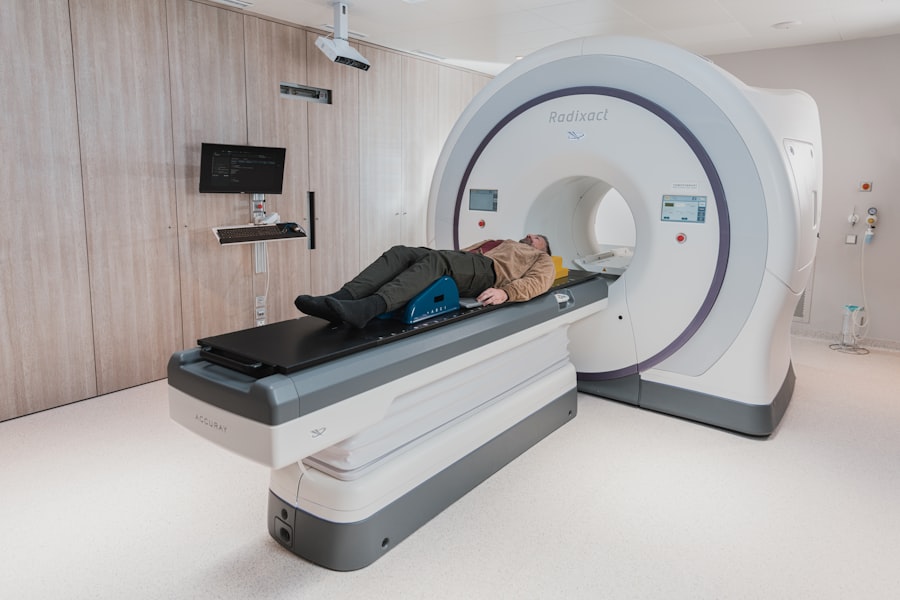
When it comes to treating stage 4 small cell carcinoma lung cancer, you have several options available, although the treatment landscape can be complex due to the aggressive nature of this disease. Chemotherapy is often the first line of defense, as it targets rapidly dividing cancer cells throughout the body. You may receive a combination of drugs designed to shrink tumors and alleviate symptoms.
While chemotherapy can be effective, it also comes with side effects that you should discuss with your healthcare team. In addition to chemotherapy, immunotherapy has emerged as a promising treatment option for some patients with stage 4 SCLThis approach harnesses your immune system to fight cancer more effectively. Targeted therapies may also be considered based on specific genetic markers present in your tumor.
It’s essential to have open discussions with your oncologist about the potential benefits and risks associated with each treatment option. Together, you can develop a personalized plan that aligns with your health goals and preferences.
Prognosis and Survival Rates for Stage 4 Small Cell Carcinoma Lung Cancer
Understanding the prognosis for stage 4 small cell carcinoma lung cancer can be challenging, as survival rates vary based on numerous factors, including overall health, response to treatment, and individual characteristics of the cancer itself. Generally speaking, stage 4 SCLC has a lower survival rate compared to earlier stages due to its advanced nature at diagnosis. However, it’s important to remember that statistics are just numbers; they cannot predict individual outcomes.
Your prognosis may also be influenced by how well you respond to initial treatments. Some patients experience significant tumor shrinkage and improved quality of life after chemotherapy or immunotherapy, while others may face more challenges. Engaging in discussions with your healthcare team about your specific situation can provide clarity and help set realistic expectations moving forward.
While the journey may be difficult, many patients find strength in focusing on their personal experiences rather than solely on statistics.
Managing Side Effects and Complications of Stage 4 Small Cell Carcinoma Lung Cancer
As you undergo treatment for stage 4 small cell carcinoma lung cancer, managing side effects becomes an integral part of your care plan. Chemotherapy and other treatments can lead to various side effects such as nausea, fatigue, hair loss, and changes in appetite. It’s essential to communicate openly with your healthcare team about any side effects you experience so they can provide appropriate interventions or medications to help alleviate discomfort.
In addition to physical side effects, you may also encounter emotional and psychological challenges during your treatment journey. Fatigue and changes in your daily routine can take a toll on your mental well-being. Engaging in supportive therapies such as counseling or support groups can be beneficial in managing these aspects of your care.
Remember that you are not alone; many resources are available to help you navigate this complex landscape.
Support and Resources for Patients and Caregivers of Stage 4 Small Cell Carcinoma Lung Cancer

Finding support during your journey with stage 4 small cell carcinoma lung cancer is crucial for both you and your caregivers. Numerous organizations offer resources tailored specifically for lung cancer patients and their families. These resources may include educational materials, financial assistance programs, and access to support groups where you can connect with others facing similar challenges.
Your healthcare team can also play a vital role in providing support and guidance throughout your treatment process. Don’t hesitate to reach out to social workers or patient navigators who can help you access additional resources and services that may enhance your quality of life during this difficult time. Building a strong support network can make a significant difference in how you cope with the challenges ahead.
Coping with the Emotional and Mental Impact of Stage 4 Small Cell Carcinoma Lung Cancer
The emotional toll of a stage 4 small cell carcinoma lung cancer diagnosis can be overwhelming for both you and your loved ones. Feelings of fear, anxiety, sadness, and even anger are common reactions as you grapple with the realities of your situation. It’s essential to acknowledge these emotions rather than suppress them; doing so can help you process your feelings more effectively.
Engaging in mindfulness practices such as meditation or yoga may provide some relief from emotional distress. Additionally, consider seeking professional counseling or therapy to help navigate the complex emotions that arise during this journey. Support groups can also offer a safe space for sharing experiences and feelings with others who understand what you’re going through.
Remember that it’s okay to ask for help; taking care of your mental health is just as important as addressing your physical health.
Research and Advances in the Treatment of Stage 4 Small Cell Carcinoma Lung Cancer
The field of oncology is continually evolving, with ongoing research aimed at improving treatment outcomes for patients with stage 4 small cell carcinoma lung cancer. Clinical trials are an essential component of this research landscape, offering patients access to cutting-edge therapies that may not yet be widely available. Participating in a clinical trial could provide you with new treatment options while contributing to the advancement of medical knowledge.
Recent advances in targeted therapies and immunotherapy have shown promise in improving survival rates and quality of life for some patients with SCLResearchers are exploring various combinations of existing treatments as well as novel agents that specifically target the unique characteristics of small cell carcinoma cells. Staying informed about these developments can empower you to make educated decisions regarding your treatment options and engage in discussions with your healthcare team about potential participation in clinical trials. In conclusion, navigating stage 4 small cell carcinoma lung cancer presents numerous challenges but also opportunities for empowerment through knowledge and support.
By understanding the disease, recognizing symptoms, exploring treatment options, managing side effects, seeking emotional support, and staying informed about research advancements, you can take an active role in your care journey. Remember that you are not alone; there are resources available to help guide you through this difficult time.
FAQs
What is Stage 4 Small Cell Carcinoma Lung Cancer?
Stage 4 Small Cell Carcinoma Lung Cancer is an advanced stage of lung cancer where the cancer has spread to other parts of the body, such as the liver, brain, or bones.
What are the symptoms of Stage 4 Small Cell Carcinoma Lung Cancer?
Symptoms of Stage 4 Small Cell Carcinoma Lung Cancer may include persistent cough, chest pain, shortness of breath, unexplained weight loss, fatigue, and bone pain.
How is Stage 4 Small Cell Carcinoma Lung Cancer diagnosed?
Diagnosis of Stage 4 Small Cell Carcinoma Lung Cancer typically involves imaging tests such as CT scans, PET scans, and bone scans, as well as biopsies to confirm the presence of cancer cells.
What are the treatment options for Stage 4 Small Cell Carcinoma Lung Cancer?
Treatment options for Stage 4 Small Cell Carcinoma Lung Cancer may include chemotherapy, radiation therapy, immunotherapy, targeted therapy, and palliative care to manage symptoms and improve quality of life.
What is the prognosis for Stage 4 Small Cell Carcinoma Lung Cancer?
The prognosis for Stage 4 Small Cell Carcinoma Lung Cancer is generally poor, with a low survival rate. However, advances in treatment options and supportive care have improved outcomes for some patients.