Mesothelioma is a rare and aggressive form of cancer that primarily affects the lining of the lungs, abdomen, or heart. This malignancy arises from mesothelial cells, which are responsible for producing a protective lining around various organs. The most common type of mesothelioma is pleural mesothelioma, which occurs in the pleura, the membrane surrounding the lungs.
Other forms include peritoneal mesothelioma, affecting the abdominal cavity, and pericardial mesothelioma, which impacts the heart’s lining. The rarity of this disease often leads to a lack of awareness, making it crucial for you to understand its implications and the challenges it presents. The connection between mesothelioma and asbestos exposure is well-documented.
Asbestos, a naturally occurring mineral once widely used in construction and manufacturing, is the primary cause of this cancer. When asbestos fibers are inhaled or ingested, they can become lodged in the mesothelial lining, leading to cellular damage over time. This damage can eventually result in the development of mesothelioma, often decades after initial exposure.
Understanding this relationship is vital for recognizing the risks associated with asbestos and the importance of preventive measures.
Key Takeaways
- Mesothelioma is a rare and aggressive cancer that affects the lining of the lungs, abdomen, or heart.
- Exposure to asbestos is the primary cause of mesothelioma, with risk factors including occupational exposure and living with someone who works with asbestos.
- Symptoms of mesothelioma can include chest pain, shortness of breath, and abdominal swelling, and diagnosis often involves imaging tests and biopsies.
- Treatment options for mesothelioma may include surgery, chemotherapy, and radiation therapy, and clinical trials may also be available.
- Prognosis for mesothelioma is generally poor, with a 5-year survival rate of around 10%, but support resources and legal options are available for patients and their families.
Causes and Risk Factors of Mesothelioma
The primary cause of mesothelioma is exposure to asbestos, but not everyone exposed to this hazardous material will develop the disease. Various factors contribute to your risk level, including the duration and intensity of exposure, as well as individual susceptibility. Occupational exposure is particularly significant; workers in industries such as construction, shipbuilding, and manufacturing are at a higher risk due to their frequent contact with asbestos-containing materials.
If you or someone you know has worked in these fields, it’s essential to be aware of the potential long-term health consequences. In addition to occupational exposure, secondary exposure can also pose a risk. This occurs when individuals come into contact with asbestos fibers brought home on clothing or equipment by workers.
Furthermore, certain genetic factors may increase susceptibility to mesothelioma, although research in this area is still ongoing. Other potential risk factors include age and gender; men are more likely to develop mesothelioma than women, and the disease typically manifests in older adults. Understanding these causes and risk factors can empower you to take proactive steps in minimizing exposure and seeking early detection.
Symptoms and Diagnosis of Mesothelioma

Recognizing the symptoms of mesothelioma can be challenging due to their similarity to other respiratory or gastrointestinal conditions. Common symptoms include persistent cough, chest pain, shortness of breath, and fatigue. In cases of peritoneal mesothelioma, symptoms may manifest as abdominal pain, swelling, nausea, or changes in bowel habits.
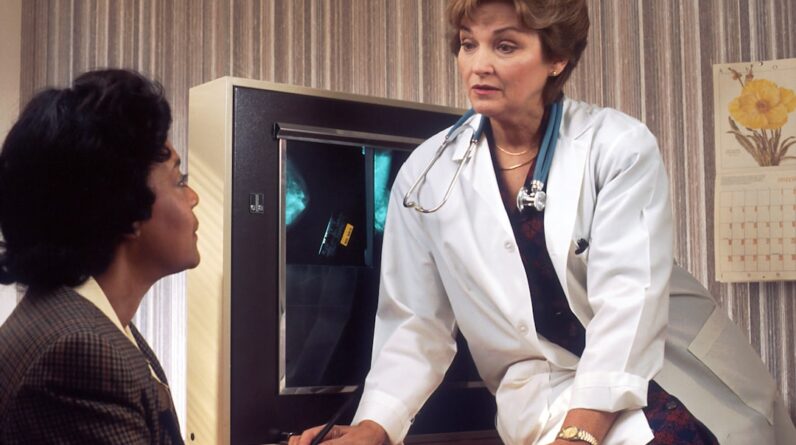
If you experience any of these symptoms, especially if you have a history of asbestos exposure, it’s crucial to consult a healthcare professional for further evaluation. Diagnosing mesothelioma often involves a combination of imaging tests and biopsies. Doctors may use X-rays, CT scans, or MRIs to identify abnormalities in the lungs or abdomen.
A definitive diagnosis typically requires a biopsy, where a sample of tissue is taken for examination under a microscope. This process can be complex and may require multiple tests to confirm the presence of cancerous cells. Early diagnosis is essential for improving treatment outcomes, so being vigilant about your health and seeking medical advice when necessary is vital.
Treatment Options for Mesothelioma
When it comes to treating mesothelioma, several options are available depending on the stage of the disease and your overall health. Surgery is often considered for patients with localized tumors that have not spread extensively. Procedures may involve removing part or all of the affected lung or abdominal lining.
However, surgery is not suitable for everyone, particularly those with advanced-stage disease or significant comorbidities. In addition to surgery, chemotherapy and radiation therapy are commonly used to manage mesothelioma. Chemotherapy involves using powerful drugs to kill cancer cells or slow their growth, while radiation therapy uses high-energy rays to target tumors.
These treatments can be administered alone or in combination with surgery to enhance effectiveness. Emerging therapies such as immunotherapy and targeted therapy are also being explored in clinical trials, offering hope for more personalized treatment approaches in the future.
Prognosis and Survival Rates for Mesothelioma
The prognosis for mesothelioma varies significantly based on several factors, including the stage at diagnosis, tumor location, and overall health of the patient. Unfortunately, mesothelioma is often diagnosed at an advanced stage due to its subtle symptoms and long latency period following asbestos exposure. As a result, survival rates tend to be lower compared to other cancers.
The five-year survival rate for pleural mesothelioma is approximately 10%, although this figure can vary widely based on individual circumstances. While these statistics may seem discouraging, advancements in treatment options and early detection methods are gradually improving outcomes for some patients. Factors such as age at diagnosis, response to treatment, and overall health can influence survival rates significantly.
It’s essential to maintain open communication with your healthcare team about your prognosis and explore all available treatment options that may enhance your quality of life.
Support and Resources for Mesothelioma Patients and Families

Navigating a mesothelioma diagnosis can be overwhelming for both patients and their families. Emotional support is crucial during this challenging time; connecting with support groups can provide a sense of community and understanding among those facing similar struggles. Organizations dedicated to mesothelioma awareness often offer resources such as counseling services, educational materials, and forums for sharing experiences.
In addition to emotional support, practical resources are available to assist patients in managing their care. Many hospitals have social workers or patient navigators who can help coordinate care plans and connect you with financial assistance programs if needed. Understanding your rights as a patient and exploring available resources can empower you to make informed decisions about your treatment journey.
Legal Options for Mesothelioma Patients
For many individuals diagnosed with mesothelioma, pursuing legal action may be an essential step toward obtaining compensation for medical expenses and other damages related to their illness. Asbestos manufacturers and employers who failed to provide adequate safety measures may be held liable for exposing workers to harmful materials. If you believe your diagnosis is linked to asbestos exposure, consulting with an attorney experienced in mesothelioma cases can help you understand your legal options.
Filing a lawsuit can be a complex process that requires gathering evidence of exposure and demonstrating negligence on the part of responsible parties. In some cases, victims may also qualify for compensation through asbestos trust funds established by bankrupt companies that once manufactured asbestos products. These funds are designed to provide financial relief to those affected by asbestos-related diseases without the need for lengthy litigation.
Research and Advances in Mesothelioma Treatment
Ongoing research into mesothelioma treatment continues to offer hope for improved outcomes for patients diagnosed with this challenging disease. Clinical trials are exploring innovative therapies such as gene therapy, which aims to modify cancer cells’ genetic material to inhibit their growth or enhance their sensitivity to existing treatments. Additionally, researchers are investigating the potential benefits of combining traditional therapies with newer approaches like immunotherapy.
As our understanding of mesothelioma evolves, so too does the potential for more effective treatment strategies tailored to individual patients’ needs. Staying informed about advancements in research can empower you to discuss new options with your healthcare team and consider participating in clinical trials that may offer access to cutting-edge therapies not yet widely available. In conclusion, understanding mesothelioma—its causes, symptoms, treatment options, and available resources—is crucial for anyone affected by this disease.
By staying informed and proactive about your health or that of a loved one, you can navigate this challenging journey with greater confidence and support.
FAQs
What is mesothelioma?
Mesothelioma is a rare and aggressive form of cancer that develops in the thin layer of tissue that covers the majority of your internal organs (mesothelium). It is most commonly caused by exposure to asbestos.
What are the symptoms of mesothelioma?
The symptoms of mesothelioma can vary depending on the type and stage of the cancer, but common symptoms include chest pain, shortness of breath, fatigue, and unexplained weight loss.
What causes mesothelioma?
Exposure to asbestos is the primary cause of mesothelioma. Asbestos is a naturally occurring mineral that was once widely used in construction, insulation, and other industries. When asbestos fibers are inhaled or ingested, they can become lodged in the mesothelium, leading to the development of mesothelioma.
How is mesothelioma diagnosed?
Mesothelioma is typically diagnosed through a combination of imaging tests (such as X-rays and CT scans) and biopsies. A biopsy involves removing a small sample of tissue for examination under a microscope to determine if cancer cells are present.
What are the treatment options for mesothelioma?
Treatment for mesothelioma may include surgery, chemotherapy, and radiation therapy. The specific treatment plan will depend on the type and stage of the cancer, as well as the patient’s overall health and preferences.
Is there a cure for mesothelioma?
While there is currently no cure for mesothelioma, treatment options can help manage the symptoms and improve the patient’s quality of life. Researchers are actively studying new treatments and therapies in the hopes of finding a cure in the future.