
Mesothelioma is a rare and aggressive form of cancer that primarily affects the lining of the lungs, known as the pleura, but can also impact the lining of the abdomen and heart. This disease is most commonly associated with asbestos exposure, a naturally occurring mineral that was widely used in construction and manufacturing due to its heat-resistant properties. When asbestos fibers are inhaled or ingested, they can become lodged in the mesothelial cells, leading to inflammation and eventually cancer.
Understanding mesothelioma is crucial for recognizing its symptoms, risk factors, and the importance of early intervention. The symptoms of mesothelioma often do not appear until decades after exposure to asbestos, making it particularly insidious. Common signs include persistent cough, chest pain, shortness of breath, and unexplained weight loss.
Because these symptoms can mimic those of other respiratory conditions, many individuals may not seek medical attention until the disease has progressed significantly. This delay in diagnosis can severely impact treatment options and overall prognosis. Therefore, awareness of mesothelioma and its link to asbestos exposure is vital for those who may be at risk, including construction workers, shipyard workers, and others who have had occupational exposure.
Key Takeaways
- Mesothelioma is a rare and aggressive cancer that affects the lining of the lungs, abdomen, or heart.
- Early detection of mesothelioma is challenging due to its long latency period and non-specific symptoms.
- Treatment options for mesothelioma are limited, and often focus on managing symptoms and improving quality of life.
- Mesothelioma is resistant to conventional cancer therapies such as chemotherapy and radiation.
- Asbestos exposure is the primary cause of mesothelioma, and efforts to prevent exposure are crucial in reducing the incidence of the disease.
- A multidisciplinary approach involving various medical specialties is important for effectively managing mesothelioma.
- Emerging research offers hope for new treatment options and improved outcomes for mesothelioma patients in the future.
Challenges in Early Detection
One of the most significant challenges in combating mesothelioma is its late presentation. The latency period between asbestos exposure and the onset of symptoms can span 20 to 50 years, which complicates early detection efforts. By the time individuals experience noticeable symptoms, the cancer is often at an advanced stage, making treatment more difficult and less effective.
This long latency period underscores the importance of regular health screenings for those with known asbestos exposure histories. Moreover, the diagnostic process for mesothelioma can be complex and fraught with challenges. Initial symptoms may lead to misdiagnosis as they are often mistaken for more common respiratory illnesses.
Imaging tests such as X-rays or CT scans may reveal abnormalities, but definitive diagnosis typically requires a biopsy. This process can be invasive and may not always yield clear results, further delaying appropriate treatment. The combination of these factors creates a significant barrier to early detection, emphasizing the need for heightened awareness and improved diagnostic protocols.
Limited Treatment Options
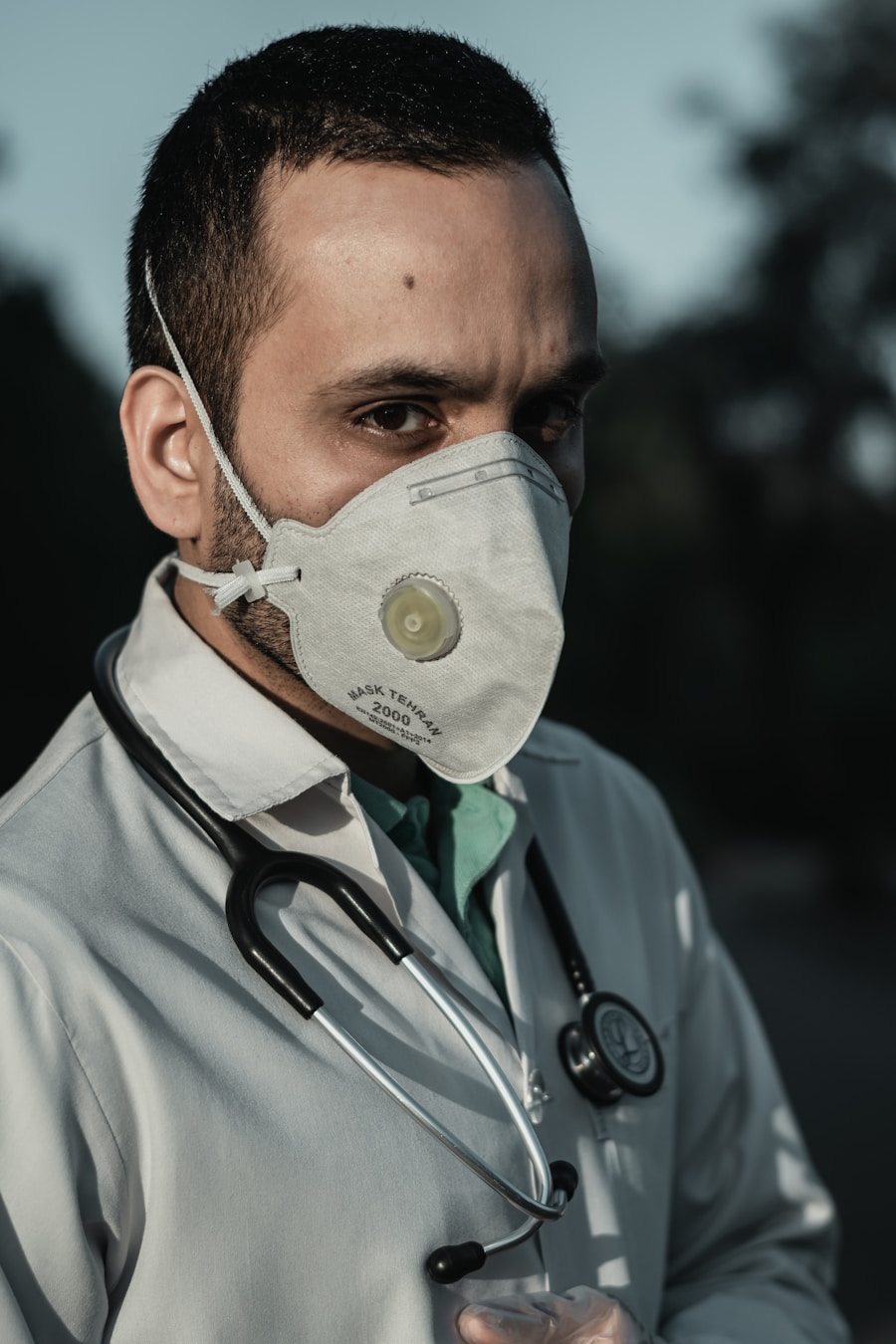
When it comes to treating mesothelioma, options are often limited due to the disease’s aggressive nature and late-stage diagnosis. Standard treatment modalities include surgery, chemotherapy, and radiation therapy; however, their effectiveness can vary significantly from patient to patient. Surgical options may be viable for those diagnosed at an early stage but are often not possible for patients with advanced disease due to tumor spread.
Chemotherapy remains a cornerstone of treatment but may only provide temporary relief from symptoms rather than a cure. Additionally, the limited availability of clinical trials for mesothelioma patients further restricts treatment options. While some patients may qualify for experimental therapies that show promise in early research stages, many others may not meet eligibility criteria or may be too ill to participate.
This lack of accessible treatment avenues can lead to feelings of hopelessness among patients and their families as they navigate the complexities of this challenging disease.
Resistance to Conventional Therapies
Resistance to conventional therapies is another significant hurdle in the management of mesothelioma. Many patients initially respond to chemotherapy; however, over time, tumors often develop resistance to these drugs, rendering them ineffective. This phenomenon can be attributed to various factors, including genetic mutations within the cancer cells that allow them to evade the effects of treatment.
As a result, patients may find themselves running out of effective options as their disease progresses. The development of resistance not only complicates treatment but also highlights the need for ongoing research into more effective therapeutic strategies. Understanding the mechanisms behind this resistance is crucial for developing new drugs or combination therapies that can overcome these challenges.
As researchers delve deeper into the molecular biology of mesothelioma, there is hope that innovative treatments will emerge that can better target resistant cancer cells and improve patient outcomes.
Aggressive Nature of the Disease
Mesothelioma is characterized by its aggressive behavior and rapid progression. Unlike some other cancers that may grow slowly over time, mesothelioma can spread quickly to nearby tissues and organs, complicating treatment efforts. The aggressive nature of this disease is partly due to its ability to evade the immune system and resist conventional therapies.
As a result, patients often face a grim prognosis once diagnosed. The aggressive nature of mesothelioma also means that it can significantly impact a patient’s quality of life. Symptoms such as pain, difficulty breathing, and fatigue can severely limit daily activities and diminish overall well-being.
This relentless progression underscores the urgency for more effective treatments and highlights the importance of supportive care measures that can help manage symptoms and improve quality of life for those affected by this devastating disease.
Impact of Asbestos Exposure

The link between asbestos exposure and mesothelioma is well-established, making it imperative to understand the impact of this hazardous material on public health. Asbestos was widely used in various industries throughout the 20th century, leading to significant occupational exposure among workers in construction, shipbuilding, and manufacturing sectors. Even today, many individuals remain at risk due to older buildings containing asbestos materials that have not been properly managed or removed.
The consequences of asbestos exposure extend beyond individual health risks; they also pose significant societal challenges. Communities with high rates of asbestos-related diseases often face economic burdens related to healthcare costs and lost productivity. Furthermore, the stigma associated with mesothelioma can lead to social isolation for patients and their families as they navigate the complexities of this disease.
Raising awareness about the dangers of asbestos exposure is crucial for preventing future cases of mesothelioma and protecting public health.
Importance of Multidisciplinary Approach
Given the complexity of mesothelioma, a multidisciplinary approach to treatment is essential for optimizing patient outcomes. This approach involves collaboration among various healthcare professionals, including oncologists, surgeons, radiologists, palliative care specialists, and mental health providers. By working together, these experts can develop comprehensive treatment plans tailored to each patient’s unique needs and circumstances.
A multidisciplinary team can also provide holistic support that addresses not only the physical aspects of the disease but also emotional and psychological well-being. Patients facing a diagnosis of mesothelioma often experience anxiety and depression; therefore, integrating mental health support into their care plan is vital. This collaborative approach ensures that patients receive well-rounded care that considers all facets of their health journey.
Emerging Research and Future Hope
Despite the challenges associated with mesothelioma, there is a growing body of research aimed at improving diagnosis and treatment options for this aggressive cancer. Scientists are exploring novel therapies such as immunotherapy and targeted treatments that aim to harness the body’s immune system or specifically target cancer cells based on their genetic makeup. These advancements hold promise for improving survival rates and quality of life for patients diagnosed with mesothelioma.
Additionally, ongoing clinical trials are essential for evaluating new treatment modalities and determining their effectiveness in real-world settings. As researchers continue to uncover new insights into the biology of mesothelioma, there is hope that innovative therapies will emerge that can change the landscape of treatment for this challenging disease. With continued investment in research and a commitment to improving patient care, there is optimism for a future where mesothelioma is more manageable and survivable than it is today.
In conclusion, understanding mesothelioma requires an awareness of its complexities—from its association with asbestos exposure to the challenges in early detection and treatment options available today. While significant hurdles remain in managing this aggressive disease, ongoing research offers hope for improved outcomes in the future. By fostering a multidisciplinary approach to care and raising awareness about prevention strategies, we can work towards better health outcomes for those affected by mesothelioma and ultimately reduce its incidence in society.
FAQs
What is mesothelioma?
Mesothelioma is a rare and aggressive form of cancer that develops in the thin layer of tissue that covers the majority of your internal organs (mesothelium). It is most commonly caused by exposure to asbestos.
Why is mesothelioma so hard to treat?
Mesothelioma is difficult to treat because it is often diagnosed at an advanced stage, when the cancer has already spread and become more difficult to remove completely. Additionally, the cancer cells can be resistant to traditional cancer treatments such as chemotherapy and radiation therapy.
What are the treatment options for mesothelioma?
Treatment options for mesothelioma may include surgery, chemotherapy, radiation therapy, and immunotherapy. In some cases, a combination of these treatments may be used to help manage the disease.
What are the challenges in developing new treatments for mesothelioma?
One of the main challenges in developing new treatments for mesothelioma is the rarity of the disease, which makes it difficult to conduct large-scale clinical trials. Additionally, the aggressive nature of the cancer and its resistance to traditional treatments present significant challenges for researchers.
Are there any promising developments in the treatment of mesothelioma?
Researchers are exploring new treatment approaches for mesothelioma, including targeted therapies and immunotherapies. These treatments aim to specifically target cancer cells while minimizing damage to healthy cells, and they show promise in improving outcomes for patients with mesothelioma.